


A Week in the Life of a Competitive Strongman Athlete — What the Training Actually Looks Like
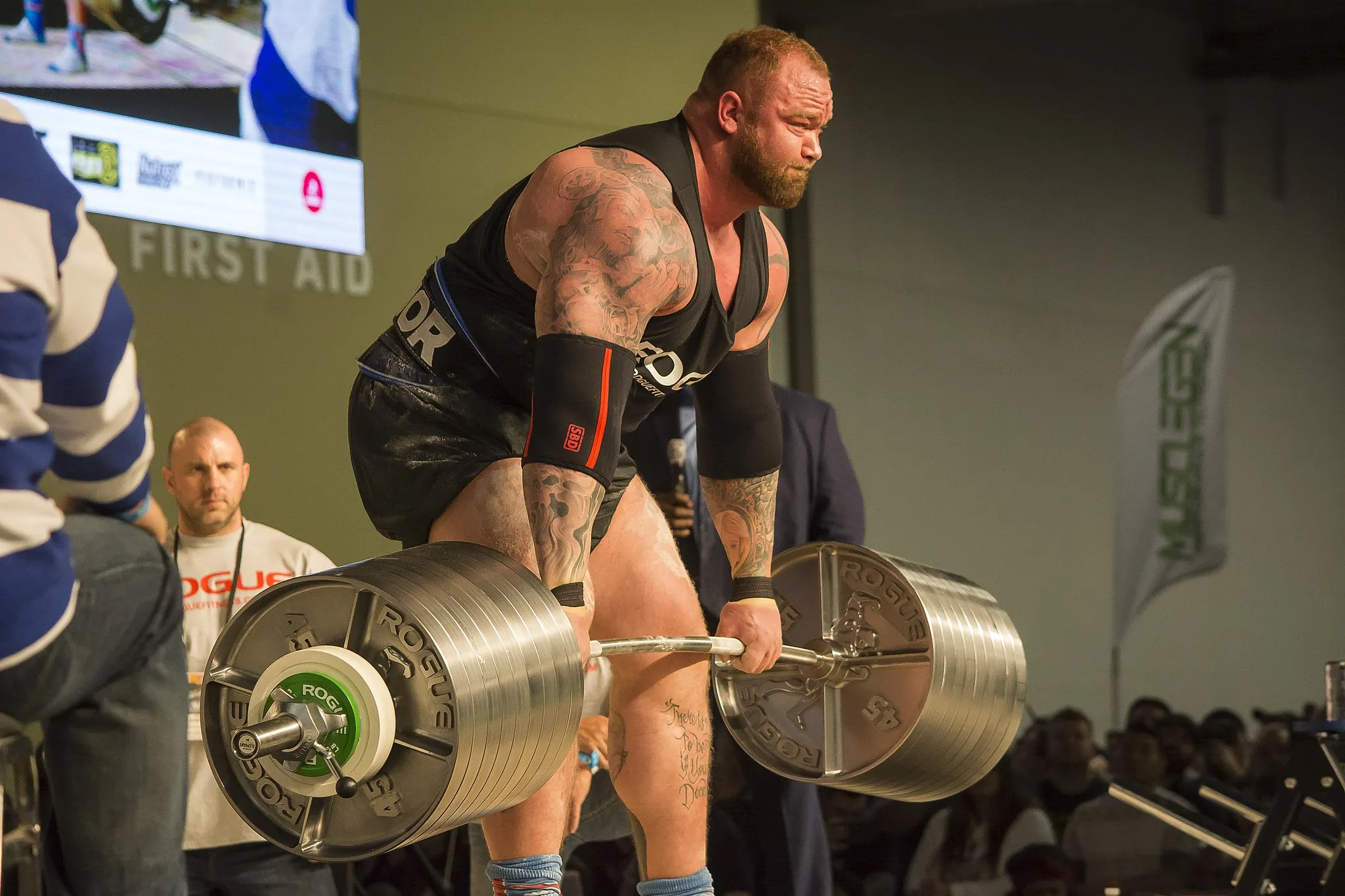
Most people's mental image of strongman training is a highlight reel: the Atlas Stone loads, the yoke carries, the log presses. The moments that end up on social media.
What those highlights don't show is the week that surrounds them. The structure, the recovery, the tedious barbell work that builds the foundation for the spectacle, and the specific logistical reality of training for a sport that requires implements most commercial gyms don't own.
This is a realistic inside look at what a competitive strongman athlete's training week actually looks like — built for an intermediate competitor preparing for Strongman Corporation competition at the level that leads to events like the North Texas Strength Expo in Mesquite, Texas.
The Training Framework
Competitive strongman athletes typically train four to five days per week, with sessions structured around a combination of foundational barbell work and event-specific implement training. The balance shifts as competition approaches — more event-specific work, less general strength building — but the barbell foundation never disappears entirely.
The key constraint that shapes a strongman athlete's training week is equipment access. Not every session can happen at a specialty gym with full implement setups. Many competitive strongman athletes divide their training between a standard commercial gym (for barbell work) and a strongman-specific facility or outdoor setup (for events). Managing that geographic split across a week is a practical reality of the sport.
Monday — Lower Body and Pulling Foundation
Monday is typically a foundational lower body and pulling session — the barbell work that builds the strength base that all event work draws from.
Primary movement: Squat variation. Competition squat, box squat, or pause squat — typically 4–5 sets in the 3–5 rep range working toward challenging weight. The squat builds the positional strength for yoke carry, stone loading, and everything else that requires lower body power under load.
Secondary movement: Deadlift variation. Conventional, sumo, or Romanian depending on the current programming phase. At competition prep phases, more axle deadlift work appears here to develop the grip-specific pulling strength the competition implement demands.
Accessory work: Hamstring and posterior chain accessories — Romanian deadlifts, leg curls, hip thrusts — that address the specific posterior chain demands of loaded carry events.
Recovery context: Monday follows the weekend, which for many strongman athletes includes competition or heavy event training on Saturday. Monday is often the first training day after that most demanding day of the week — and managing the workload accordingly (not hammering maximum intensity after a heavy event day) is part of intelligent competitive programming.
Tuesday — Recovery and Mobility
Tuesday is a lower-intensity day. Not a rest day — a deliberate active recovery session that addresses the tissue stress from Monday's loading and prepares the body for the heavier event work later in the week.
What this looks like: 30–45 minutes of targeted mobility work for the hip flexors, thoracic spine, and shoulder girdle. Light cardio — a 20-minute bike or easy walk — to promote blood flow without creating new training stress. Soft tissue work with foam rolling or a massage tool on the muscles most loaded from Monday.
The Tuesday recovery session is where strongman athletes diverge most from general gym culture — which treats every session as an opportunity for maximum effort. In competitive strength sports, the recovery day is as important as the hard training day. Athletes who skip recovery work consistently accumulate fatigue that degrades their event performance over time.
Wednesday — Press and Overhead Work
Wednesday is the upper body session with a primary focus on overhead strength — the quality that the log press demands.
Primary movement: Log clean and press, or overhead press with a barbell or axle. Competition-specific overhead work in the 3–5 rep range building toward challenging sets. The log clean and press appears here regularly as competition approaches.
Secondary movement: Floor press or close-grip bench press — building the tricep lockout strength that overhead pressing demands.
Accessory work: Row variations for upper back and scapular health (chest-supported rows, seal rows, or cable rows), face pulls and band pull-aparts for shoulder integrity, and any specific overhead accessory that addresses current technique weaknesses.
The implement consideration: Log training requires access to the actual implement. Some athletes have a log at their home gym or backyard setup. Others train at a specialty facility on specific days. Wednesday's session might be split — barbell overhead work at a commercial gym and specific log work at the specialty facility — depending on equipment access.
Thursday — Event Day
Thursday is the session that most clearly looks like strongman training from the outside. This is full implement event work — the stones, the yoke, the farmer's carry handles, the loading events.
Event selection: Based on the competition program for the upcoming event. If the competition includes an Atlas Stone series and a yoke carry, those events get priority. Each event worked in full — setup from competition position, full course distance or loading height, timed or max effort as appropriate.
Session structure:
- Warm-up with lighter versions of the primary events
- First event: work up to competition weight or above, typically 3–5 full efforts
- Second event: same approach
- Third event if energy allows — at lower intensity than the primary two
The most important thing about Thursday: arriving physically fresh enough to train the events at something close to competition quality. Athletes who are fatigued from excessive Monday and Wednesday work arrive at their most important session depleted. Managing the week's training stress to peak on event day is what separates strategic competitors from those who train hard without training smart.
Friday — Upper Body and Grip Work
Friday is a lighter upper body session that extends the training week without creating significant fatigue heading into the weekend.
Primary focus: Pulling movements — weighted pull-ups, barbell rows, or lat pulldowns — that build the back and pulling strength that transfers across multiple events.
Secondary focus: Dedicated grip training. Captains of Crush gripper work, thick bar holds, farmer's carry static holds, and any specific grip development that addresses competition event weaknesses. Friday is often the best day for grip work because it's far enough from heavy event day that the grip isn't pre-fatigued, and it's close enough to Saturday to benefit from the fresh training stimulus.
Volume: Moderate. This is not a session designed for maximum training stress. It's a session that keeps the athlete active, addresses specific development areas, and doesn't compromise Saturday readiness.
Saturday — Competition Simulation or Heavy Event
Saturday is the week's most demanding event session — or a mock competition if one is being staged.
Heavy event day: Maximum effort on the week's priority events. This is where near-competition weights are moved and where the implementation of the week's barbell work is tested. A heavy Saturday log press that exceeds Wednesday's training weight confirms the accumulated work is producing the right adaptation.
Mock competition: Periodically (every 4–6 weeks during the competitive season), a full mock competition run-through replaces regular Saturday training. All competition events are programmed, competition rules are followed, rest periods mirror what competition allows, and attempts are treated as genuine competitive efforts. Mock competitions are invaluable for identifying what specific preparation gaps remain before the actual event.
Sunday — Full Rest
Sunday is full rest. No training. No "active recovery." A genuinely off day where the athlete does whatever they want that doesn't involve structured physical exertion.
Full rest days are not a compromise in strongman training — they're a competitive requirement. The adaptation that produces strength and event performance happens during recovery, not during training. An athlete who trains through their rest day accumulates fatigue without accumulating additional adaptation.
The Week Leading to the North Texas Strength Expo
For Strongman Corporation Nationals at the North Texas Strength Expo, the training week described above compresses into a taper: volume drops, intensity maintains, event-specific work reduces to sharpening rather than building, and the athlete arrives in Mesquite having preserved everything the previous months built.
The preparation is visible in what happens on the competition floor. The athlete who has followed a structured, event-specific program through their season performs differently than the athlete who trained generally and hoped the competition would sort itself out. Come to the North Texas Strength Expo and you'll see both — and the difference will be immediately visible.

The work is done. The stage is the North Texas Strength Expo in Mesquite TX.Get registered and get your tickets at ntxstrengthexpo.com


Find Us On
.svg)

.svg)