


How Social Media Changed Strength Sports — And What It Means for Fans and Athletes
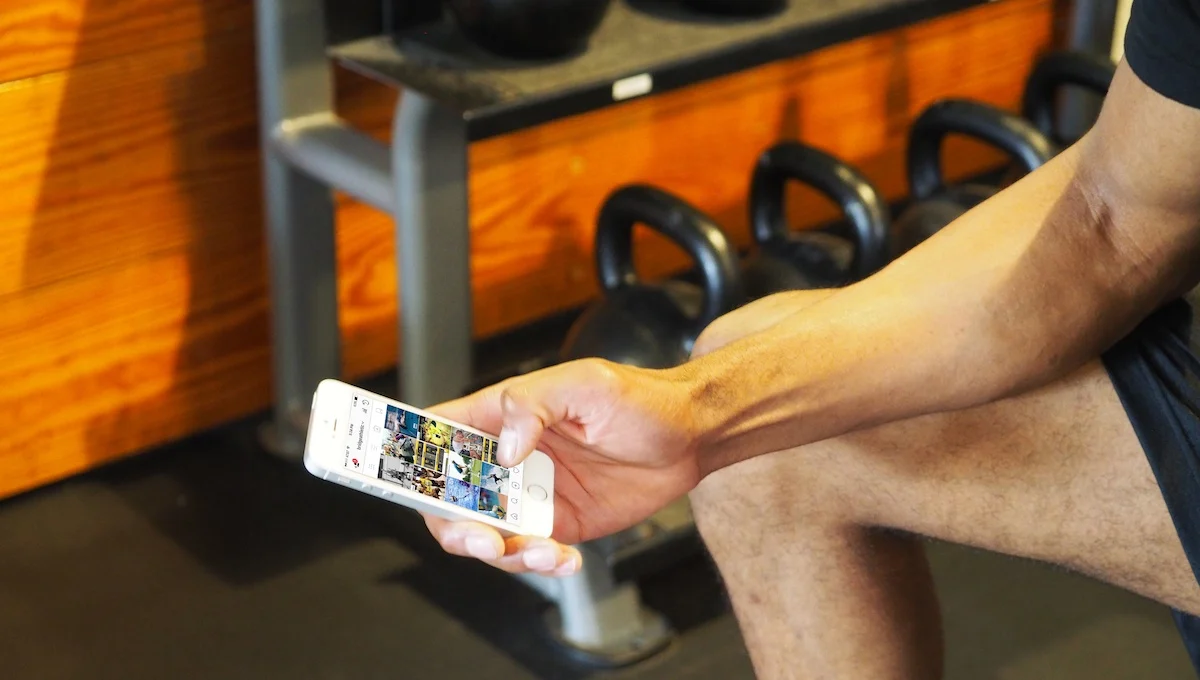
Ten years ago, if you wanted to follow competitive powerlifting, you subscribed to a forum. If you wanted to watch elite strongman, you waited for the annual television broadcast. If HYROX existed — it barely did.
Social media changed all of that with a speed and completeness that most sports industries have never experienced. And strength sports, specifically, were transformed in ways that have implications for every athlete competing at events like the North Texas Strength Expo in Mesquite, Texas and every fan following them.
Before Social Media — The Niche Era
Competitive strength sports before widespread social media were genuinely niche. The community that existed was passionate and dedicated, but physically concentrated — in specific gyms, at specific competitions, among athletes who had found each other through word of mouth and specialty publications.
World's Strongest Man reached mainstream audiences through television broadcasts that aired months after the competition. Powerlifting results circulated through organization newsletters and competition reports. The community that followed these sports found each other at events and through print resources.
This concentration had a specific effect: the community was tight-knit and deeply committed, but small. New athletes had to find their way into the community through physical proximity — a strongman gym, a powerlifting meet, a competition where you showed up and asked the right people the right questions.
The Instagram Revolution — Athlete Visibility and Community Building
Instagram was the first platform to meaningfully change how strength sports athletes and their audiences connected. The visual nature of the platform — where a single powerful image or short video could capture the drama of a maximum lift or a loaded stone — fit the visual language of strength sports perfectly.
Athletes who had previously been visible only to the people who showed up at competitions began building audiences in the tens of thousands. A powerlifter who placed at nationals could document the journey — the training, the prep, the competition day — in a format that drew followers who had never been to a powerlifting meet.
This visibility created several important effects:
Discovery: People who had never considered competitive strength sports encountered them through social media feeds. Someone who followed a fitness account encountered a clip of an Atlas Stone load. They searched "strongman." They found Strongman Corporation. They started training. The conversion from stranger to community member, which previously required geographic proximity, now happened entirely digitally.
Athlete careers: Athletes who could communicate their training and competitive process — who could build an audience around their athletic identity — began developing commercially relevant profiles. Supplement brands that would have had no awareness of a regional powerlifting champion in 2010 could now identify athletes with engaged audiences in their target demographic.
Community formation at scale: The DFW strength community that now produces nationally competitive athletes across five disciplines didn't form primarily through in-person proximity. It formed through the network of athletes following each other, commenting on each other's training, training together after connecting digitally, and competing against each other at events like the North Texas Strength Expo.
YouTube — Competition Coverage and Education
YouTube transformed how athletes learned and how fans consumed competition. The archive of World's Strongest Man historical footage, the proliferation of powerlifting meet recordings, the technical coaching content from elite athletes — all of it became accessible to anyone with an internet connection.
HYROX specifically benefited enormously from YouTube as a growth vehicle. The sport's visually compelling format — athletes pushing sleds, carrying sandbags, finishing on wall balls — translated perfectly to short-form and long-form video. Watching HYROX on YouTube converted viewers into participants at a rate that the sport's growth numbers (from modest 2019 origins to 550,000+ athletes globally by 2025) directly reflects.
Mitchell Hooper's YouTube presence represents the current peak of athlete-as-educator content in strength sports. His technical breakdowns, training documentation, and competition analysis created an audience that follows the sport not just for entertainment but for the knowledge it produces.
TikTok — Discovery at Scale
TikTok created the most powerful athlete discovery mechanism strength sports has ever had. A well-executed Atlas Stone clip, a maximum deadlift, or a HYROX station transition can reach audiences of millions who had no prior interest in the sport — and the algorithmic distribution of content matching user interest patterns means strength sports content consistently finds new audiences organically.
The growth of HYROX Houston and Dallas audiences, United Grid League viewership, and competitive powerlifting participation all accelerated in the TikTok era because discovery became frictionless. You didn't have to seek out these sports — they found you through a platform you already used for other content.
What This Means for Athletes at the NTX Strength Expo
For athletes competing at the North Texas Strength Expo in 2026, social media is simultaneously a career tool, a community building mechanism, and a performance documentation platform.
Competition footage from the expo — your Atlas Stone load, your competition deadlift, your HYROX finish — becomes content that exists permanently and reaches beyond the 5,000 people in the building. Athletes who create or allow creation of their competition moments extend the reach of their performance indefinitely.
The community you've built digitally converges at the expo in physical space. The people who follow your training, who've been watching your prep, who competed against you digitally through the same global HYROX leaderboard — they're in the same building on the same weekend.
New fans in the building encounter strength sports for the first time and reach for their phones. The content they create and share — photos of the Atlas Stone, clips of the powerlifting platform, videos of the UGL match — continues the discovery cycle that social media has driven for the past decade.

Be part of the community that social media built and live events make real — the NTX Strength Expo.Get your tickets at ntxstrengthexpo.com


Find Us On
.svg)

.svg)