


How to Choose a Powerlifting Coach — What to Look for and What to Avoid
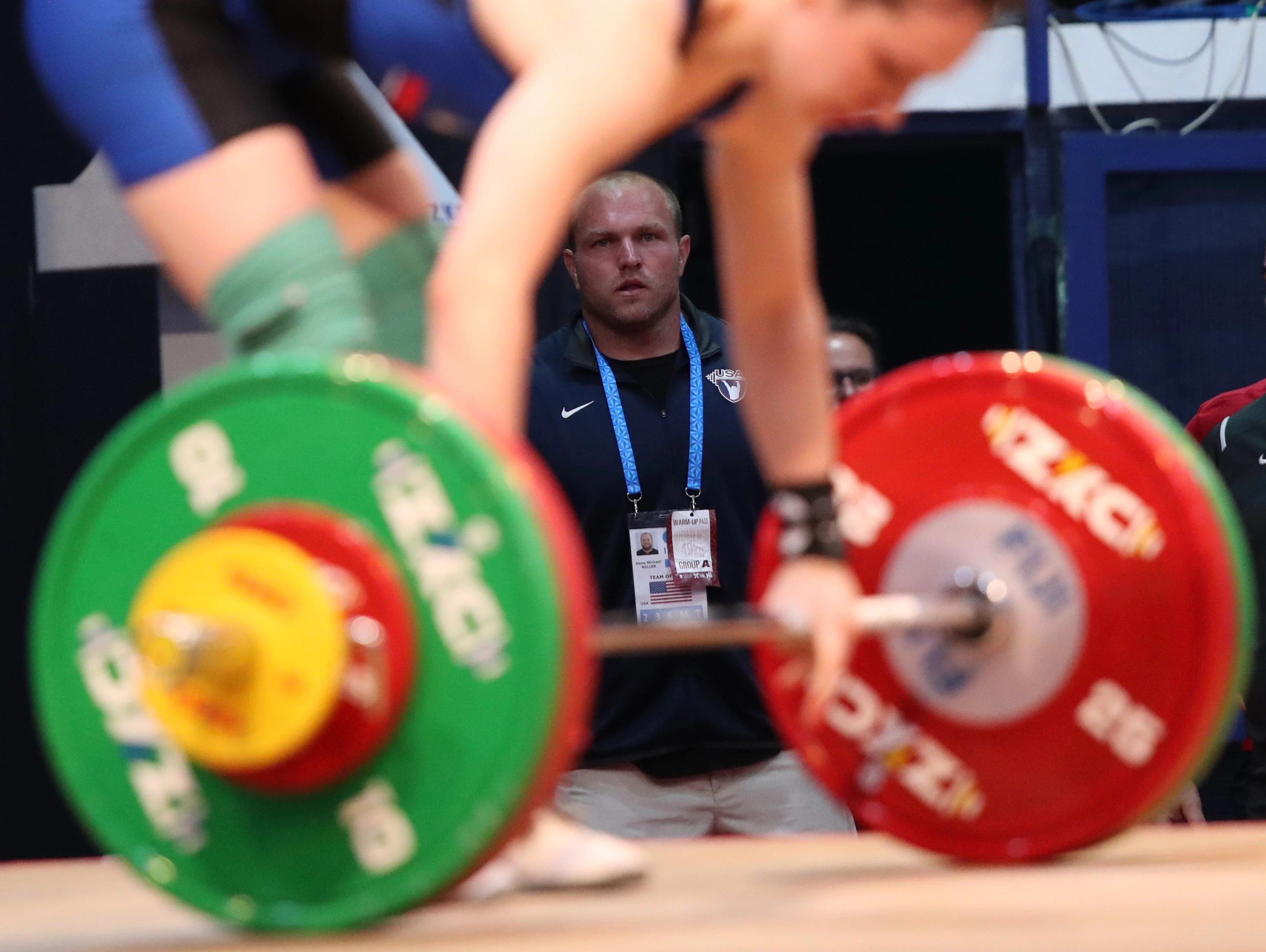
The difference between a competitive powerlifter and a strong person who lifts weights is, more often than not, a coach.
Not because strength is irrelevant — it obviously isn't. But because the specific technical demands of powerlifting competition, the strategic complexity of attempt selection and peaking, and the psychological preparation required for high-level performance are all learned skills that develop much faster with expert guidance than without it.
Choosing the right powerlifting coach is one of the most important competitive decisions you'll make. This guide covers exactly what to look for, what to avoid, and how to find the right coaching fit for where you are in your competitive development.
What a Good Powerlifting Coach Actually Does
Before evaluating coaches, it's worth being clear about what the role actually encompasses — because "coaching" in strength sports varies enormously in what it includes.
Technical coaching: Evaluating and improving your squat, bench, and deadlift mechanics. This includes identifying technique limiters, recommending cue adjustments, and diagnosing why certain movements aren't translating to competition performance. Video review is essential here — a coach who doesn't watch your lifts can't effectively coach them.
Programming: Writing or adapting a training program that builds your competition lifts appropriately across a training cycle. Good programming considers your training history, your competition timeline, your recovery capacity, and the specific demands of your weight class and division.
Competition preparation: Guiding you through the peaking phase, selecting your opening attempts, managing your weight class logistics, and preparing you for the specific technical and tactical demands of the competition environment.
Meet day management: The best coaches are present at competition (at least remotely) to help with warm-up timing, make real-time attempt adjustments based on how the session is unfolding, and provide the psychological support that competition pressure demands.
Knowing your goals: A coach who doesn't understand what you're actually trying to achieve — your competition timeline, your long-term ambitions, what success looks like for you specifically — can't make good decisions about your programming or competition preparation.
What to Look for in a Powerlifting Coach
Competition experience in the organization you compete in. A coach who has competed or coached extensively in Powerlifting America competition understands the specific judging standards, equipment requirements, command protocols, and strategic considerations of PA events in a way that cross-organization experience doesn't fully replicate. For athletes competing in PA events at the North Texas Strength Expo, working with a PA-experienced coach is significantly more valuable than working with a generically strong person.
Track record with athletes similar to you. Ask prospective coaches about athletes they've worked with — specifically athletes in your weight class, your division (raw, equipped, masters, etc.), and at your competitive level. A coach who primarily works with elite open athletes may not be the best fit for a masters lifter preparing for their first national event.
Communication quality. Coaching is fundamentally a communication relationship. A technically expert coach who communicates poorly — who gives feedback you can't act on, who doesn't respond in reasonable time, who doesn't adjust their communication style to what you need — is less valuable than a slightly less technically sophisticated coach who communicates effectively. In remote coaching specifically, communication quality is everything.
Video review as a standard practice. Any coach offering meaningful technical guidance should be watching your lifts. If a prospective coach doesn't ask for training videos as part of their coaching process, that's a red flag about the quality of technical feedback you'll receive.
Honest assessment of your current level. Coaches who tell you only what you want to hear aren't coaching — they're collecting a fee. A good coach gives you honest feedback about your technical deficiencies, your realistic competition timeline, and what you need to do to achieve your goals even when that information is uncomfortable.
What to Avoid in a Powerlifting Coach
Coaches who prioritize their own programming philosophy over your individual needs. The best programming is individualized. Coaches who run everyone through the same template regardless of training history, recovery capacity, or competition timeline are applying generic solutions to specific problems.
Coaches whose own competitive record is their primary credential. Having lifted heavy doesn't make someone a good coach. The skills required to compete at a high level and the skills required to develop other athletes are different skills. Look for evidence of athlete development, not just personal performance.
Coaches who discourage you from the competition organization you want to compete in. Some coaches are advocates for specific federations for reasons that serve their own competitive profile rather than your development. If a coach actively discourages you from Powerlifting America without specific, logical reasons related to your goals, that's worth scrutinizing.
Remote coaches who don't provide real-time competition support. Even remote coaches can and should be available during competitions — via phone or messaging — to help with attempt selection and mid-meet adjustments. A coach who disappears on competition day isn't providing the full value of the coaching relationship.
Finding Powerlifting Coaches in DFW
The DFW area has experienced powerlifting coaches across all the major organizations and at multiple competitive levels. The best ways to find them:
The competition community. Attending events like the North Texas Strength Expo and connecting with competing athletes and their coaches is the most effective way to find coaching options in DFW. Coaches at national-level PA events are demonstrably working with competitive athletes — that competitive context is the most reliable quality signal available.
The Powerlifting America Texas events calendar. PA events in Texas are listed at powerlifting-america.com. Attending or competing in local PA events introduces you to the coaching community that operates within the organization.
Training environment observation. If you can visit a prospective coach's training facility and observe how they work with other athletes — what they say, how they provide feedback, how athletes respond to their coaching — you'll learn more about whether the fit is right than any amount of credentials review.

Find your coaching community at the Powerlifting America showcase — North Texas Strength Expo.Get tickets and compete at ntxstrengthexpo.com


Find Us On
.svg)

.svg)