


How to Get Your Kids Into Strength Sports — A Parent's Complete Guide
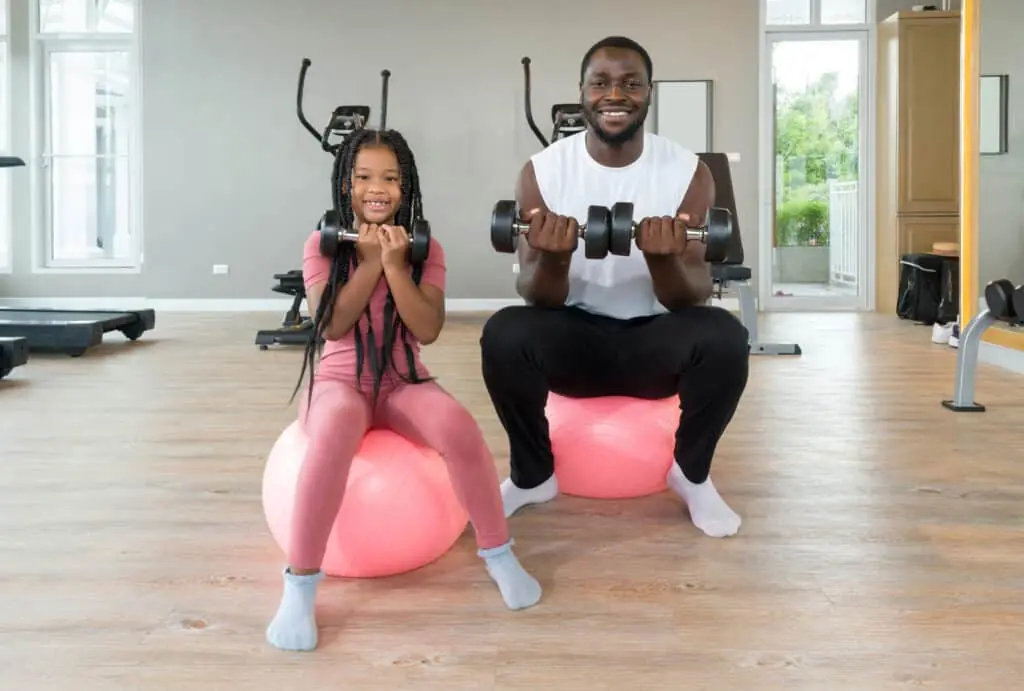
Every parent who trains seriously eventually has the same experience: their kid walks into the gym, watches what's happening, and asks — "Can I do that?"
The answer, in age-appropriate ways, is almost always yes. Strength sports have competitive pathways for young athletes starting in their early teens, a culture of mentorship that's unusually welcoming to newcomers of all ages, and a set of physical and psychological benefits that make them genuinely valuable pursuits for young people — not just as sports, but as life training.
This guide is for parents who want to understand how to introduce their kids to strength sports — what's appropriate at different ages, where to start, and why a single afternoon at an event like the North Texas Strength Expo in Mesquite, Texas might be the spark that changes everything.
What Strength Sports Teach Kids That Other Sports Don't
Before the practical guidance, it's worth understanding why strength sports are uniquely valuable for young athletes — what they develop that team sports and endurance activities don't emphasize in the same way.
They make the effort visible and honest. In a team sport, individual effort is partially obscured by team dynamics. In a strength competition, the effort is completely visible. The bar either moves or it doesn't. The stone either gets loaded or it doesn't. The race clock stops when the athlete crosses the line. Young athletes in strength sports develop a direct relationship with effort and outcome that teaches accountability in a visceral, undeniable way.
They reward consistency over talent. Natural athletic gifts matter in strength sports, but they matter less than in most other athletics. Consistent, disciplined training over time produces the results — not explosive natural talent that some kids have and others don't. This means a broader range of young athletes can find genuine success in strength sports if they're willing to work.
They build body confidence based on capability. Young people — especially young women — benefit enormously from a sport that measures physical value by what the body can do rather than how it looks. Athletes who train in strength sports develop a relationship with their physical identity grounded in competence and performance, which is psychologically healthier than appearance-based fitness culture.
The community is genuinely welcoming. Most youth sports have some level of social hierarchy. The strength sports community is notably different — experienced athletes mentor newcomers, parents are welcomed as participants in the culture, and kids who show up and work hard are respected regardless of their current performance level.
Age-Appropriate Starting Points
Ages 10–12: Watch and exploreCompetitions in powerlifting and strongman have minimum age requirements (typically 14–16 for sanctioned competition), but this age range is ideal for exposure. Take kids to watch live events — the North Texas Strength Expo is ideal for this because five different sports give a broad picture of what strength sports looks like across disciplines.
At this age, general physical development is the priority: movement quality, body awareness, basic strength through bodyweight and light loaded training. Gymnastics-influenced movement work (the same foundation that United Grid League bodyweight specialists use) is excellent at this age.
Ages 13–15: Introductory trainingSupervised resistance training is safe and beneficial for this age group when properly coached. The focus should be technique development on fundamental movements — squat patterns, hip hinge, pressing — with loads appropriate for learning, not for performance.
Sub-junior divisions exist in Powerlifting America for athletes 18 and under (junior), with some organizations including competitive opportunities for athletes as young as 14. If your teenager is interested in competing, research the specific age and division requirements for the organization they're interested in.
HYROX allows participants aged 16 and over, with the Open division as the appropriate starting point for teenage racers.
Ages 16–18: Competitive entryThis is where many young athletes start their first sanctioned competition. Powerlifting America has junior and sub-junior divisions. Strongman Corporation has junior and teenage divisions. HYROX Open is open from age 16. The competitive pathway is available and the development window is excellent — teenage athletes who start competing in strength sports build a foundation that compound over years into remarkable adult performances.
How to Find Youth Strength Coaching in DFW
The DFW area has experienced strength sports coaches who work with younger athletes across all disciplines. Finding the right coaching environment for your child involves looking for:
A coach with experience training youth athletes specifically. Not all accomplished strength athletes are effective coaches for teenagers. Look for someone who can explain technique in age-appropriate ways and who creates a training environment that's motivating without being pressuring.
A facility that treats young athletes seriously. The best training environments for young strength sports athletes are ones where they're treated as genuine members of the training community — where they train alongside adults, receive feedback from experienced athletes, and participate in the culture rather than being segregated into a "kids program."
A community with other young competitors. Young athletes in strength sports thrive when they have peer relationships in the sport — other teenagers who share the training focus and competitive goals. Finding a gym with an active youth competitive presence accelerates development and retention.
The Spark Moment — Watching Live Competition
Many adults competing in strength sports today trace their entry into the sport to a single moment of watching something live. A strongman competition. A powerlifting meet. A HYROX race. They watched someone do something extraordinary, and something shifted.
That moment is available for young people at the North Texas Strength Expo in Mesquite, Texas. Five national-level competitions running simultaneously, elite athletes accessible before and after their events, and an atmosphere that communicates in physical, visceral terms what human physical development looks like at its fullest expression.
Bringing your child to the North Texas Strength Expo is one of the most effective ways to introduce them to strength sports — not through explanation, but through direct experience of what these sports produce when pursued with commitment.

Bring your kids to the biggest strength expo in Texas — and watch the spark happen.Get your tickets at ntxstrengthexpo.com


Find Us On
.svg)

.svg)