


How to Peak for a Powerlifting Meet — A Beginner's Guide to the Final 4 Weeks
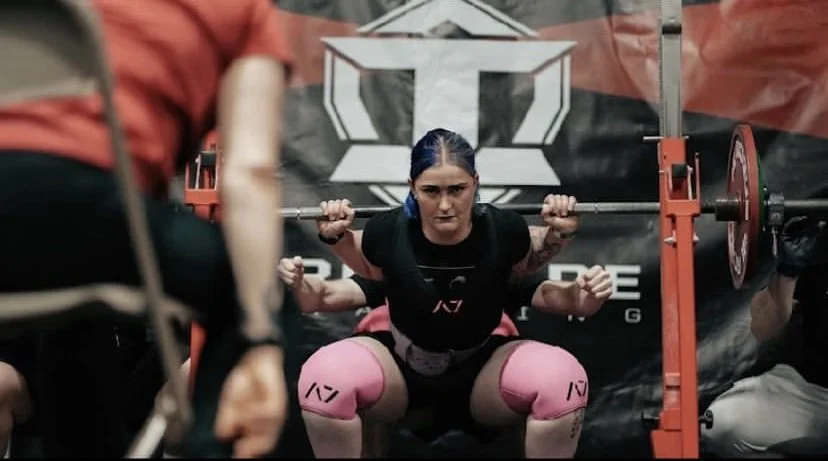
You've been training for months. The competition date is four weeks out. And the question every first-time powerlifting competitor faces at this point is the same: what do I do now?
Peaking for a powerlifting meet is the final preparation window — the phase where training transitions from building strength to expressing it. Done well, it produces a competition day performance that exceeds what you've produced in any training session. Done poorly, it means arriving at the platform either fatigued from overtraining or undertrained from a taper that started too early or cut too deep.
This guide covers the final four weeks before a powerlifting competition — specifically designed for first-time competitors preparing for a Powerlifting America event including the national showcase at the North Texas Strength Expo in Mesquite, Texas.
Week 4 Out — The Last Heavy Week
Four weeks from competition day, you're still training at meaningful intensity. This is not the week to start tapering. This is the last week of genuinely heavy work, and it sets the final strength baseline that your taper will attempt to express on meet day.
What training looks like:
- Squat, bench, and deadlift all performed at competition technique — with commands, appropriate equipment
- Working weights in the 85–92% range for low-volume, high-intensity sets
- No new training stimuli — no new movements, no new equipment, no experiments
- Begin practicing your competition day routine: equipment setup, warm-up sequence, command response
Attempt selection: By the end of Week 4, you should have a very clear picture of your opening attempts. Your opener should be a weight you could hit on the worst training day of your life. If you're uncertain about your opener at four weeks out, your training tracking has gaps that need to be addressed.
Key mindset: Week 4 is the last week where training drives adaptation. Everything from here forward is managing fatigue and maintaining the strength you've built.
Week 3 Out — Volume Reduction Begins
Three weeks out, you begin the taper. Training frequency stays the same — you're still squatting, benching, and deadlifting — but volume drops by approximately 30–40% from your normal training week.
What training looks like:
- Same movement pattern focus: competition squat, bench, and deadlift
- Intensity remains in the 80–88% range — you're not going light, you're going less
- Sets and reps reduce: if you normally do 4x3 at working weight, go to 3x2
- Warm-ups become more deliberate — practice the exact warm-up sequence you plan to use on meet day
Sleep and recovery become training variables. From three weeks out, treating sleep as a performance priority begins paying dividends. 8+ hours consistently. No dramatic changes to diet, schedule, or lifestyle that disrupt sleep.
Practice the commands. If you don't have a training partner calling commands, use a phone recording or mirror setup to practice responding to "squat," "press/start," "rack," and "down" commands on every training rep. Missed commands at meets are preventable with deliberate practice.
Week 2 Out — Intensity Drops, Sharpness Builds
Two weeks from competition, training volume drops significantly — 50–60% of normal — and the intensity pulls back slightly from maximum effort.
What training looks like:
- Competition movements only — no accessories that create meaningful soreness or fatigue
- Working weights at 75–85%: heavy enough to maintain neural adaptation, light enough to facilitate recovery
- Sets are short: no sets longer than 2 reps at working weight
- Equipment check: every piece of competition equipment should be worn and tested this week— Singlet fits and complies with federation rules— Belt buckles or levers are functioning correctly— Knee sleeves are broken in and can be pulled on efficiently— Shoes are tied and comfortable for competition use
Weight class management: If you're managing your weight class, Week 2 is when your weight should be within a few pounds of your target. Do not attempt a large weight cut in the final two weeks for a same-day weigh-in competition.
Attempt selection finalization: By end of Week 2, all three attempts for all three lifts should be chosen or very close to finalized. Share them with your coach or an experienced training partner for a reality check.
Week 1 — Competition Week
The final week before your powerlifting competition is not training week. It's preparation week.
Monday and Tuesday: Short, light sessions if you need movement. Openers only — or slightly below — with full command practice. The goal is to stay sharp, not accumulate fatigue.
Wednesday: Complete rest. Or a very light movement session with zero barbell work. Your strength is built. Nothing you do this week adds to it — but plenty of things can subtract from it.
Thursday (or day before weigh-in): If you have a 24-hour weigh-in, this is weigh-in day for many PA events. Know your weigh-in time, what ID you need, and where it's located in the venue. Complete your weigh-in, begin your rehydration and refueling protocol.
Friday (competition eve): Light movement if desired. Pack your competition bag with everything you need:
- Singlet
- Belt
- Knee sleeves
- Wrist wraps
- Competition shoes
- Deadlift socks
- Backup of critical equipment
- Meet day nutrition
- Your attempt card and membership confirmation
Competition day morning: Your pre-competition meal. Your warm-up routine. Your attempt card confirmation. Your mental preparation routine. Everything you've practiced in training, executed now for the performance it was building toward.
The Competition Day Timeline
For a Powerlifting America event at the North Texas Strength Expo, arrive at least 2 hours before your session begins. This gives you time to:
- Check in and confirm your flight
- Find the warm-up area and assess available equipment
- Begin warming up at the appropriate time relative to your opener
- Review the attempt card and confirm your opening weights with the table
Warm-up timing: Work backward from your first attempt to determine when to start warming up. Your last warm-up set should be approximately 90% of your opener, completed about 5–10 minutes before your flight is called. Arriving warm and ready — not over-warmed and fatigued, not cold and stiff — is the goal.

Four weeks. Three lifts. One national stage in Mesquite TX.Get registered for Powerlifting America at the North Texas Strength Expo at ntxstrengthexpo.com



Find Us On
.svg)

.svg)