


How to Watch Powerlifting and Understand Everything That's Happening in Real Time
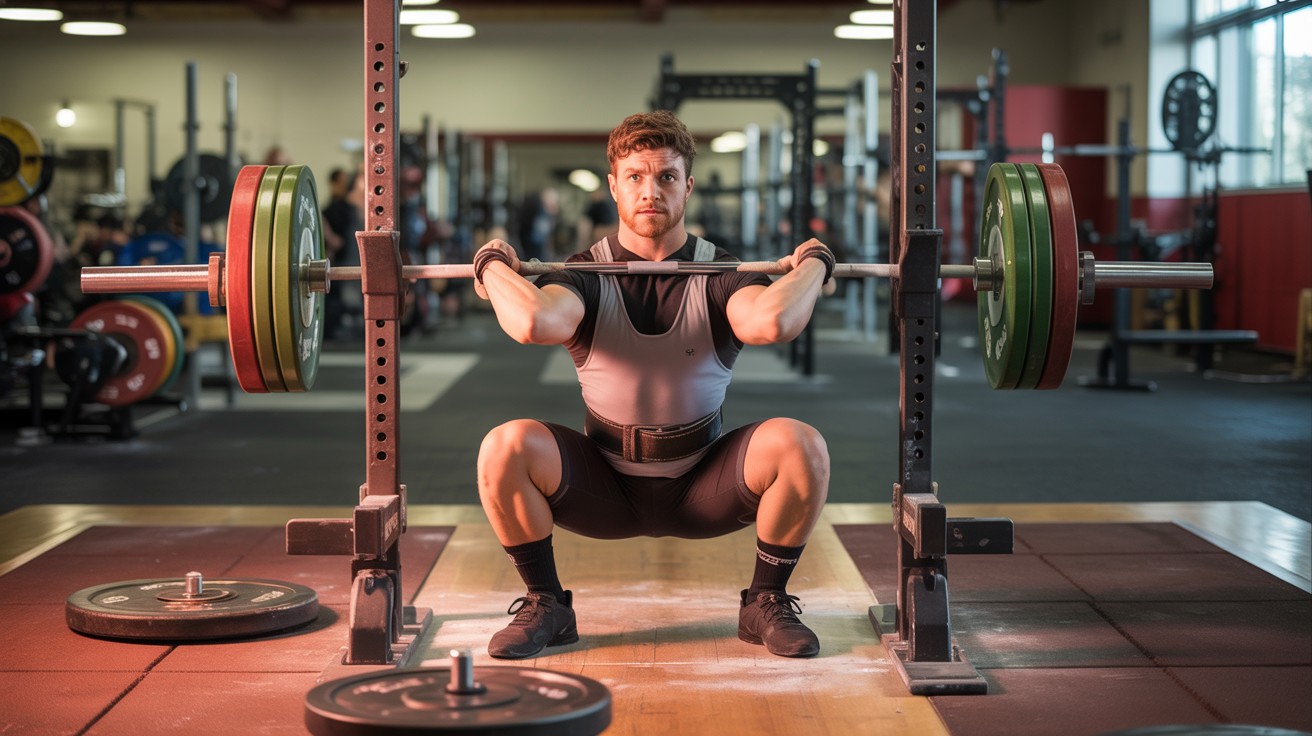
Watching powerlifting for the first time can feel like arriving at a chess match mid-game — there's clearly something significant happening, but without knowing the rules, the strategy, and what each move means, the drama is invisible.
That invisibility is what this guide fixes. By the time you finish reading, the Powerlifting America national showcase at the North Texas Strength Expo in Mesquite, Texas will unfold in front of you as one of the most richly dramatic athletic events you've ever witnessed.
The Basic Framework — What You're Actually Watching
Powerlifting is a three-lift competition. Every athlete gets three attempts at each lift — squat, bench press, and deadlift. Their best successful attempt in each lift is added together to produce a total. Highest total in your weight class wins.
Three lifts. Three attempts each. Best total wins. Everything else is detail on top of this structure.
The Judges — The Most Important Visual on the Platform
The thing that makes powerlifting different from any barbell training you've ever seen in a gym is the judging. Three certified referees evaluate every single attempt for technical compliance. Understanding what they're watching for is the key to understanding every moment of drama on the platform.
After each attempt, look at the lights panel. Three white lights = the lift passed. Any red lights = at least one judge found a technical failure.
The judges are watching for:
On squats: Did the hip crease go clearly below the top of the knee (depth)? Did the lifter wait for the "squat" command before descending? Did they wait for the "rack" command before re-racking?
On bench press: Did the bar pause motionless on the chest before the "press" command? Did the lifter start from full elbow lock (2026 IPF rule)? Did both arms reach full lockout? Did the lifter wait for the "rack" command?
On deadlift: Did the lift reach full lockout — hips fully extended, knees locked, body upright? Did the lifter wait for the "down" command before lowering the bar?
Missing any of these standards produces a red light. When you see unexpected red lights on a lift that looked strong from where you're standing, one of these standards wasn't met in the judges' view.
Reading the Competition in Real Time — Three Things to Track
1. The scoreboard. Running totals are updated after each successful attempt. Track the running total for each athlete in the weight class you're following — specifically the gap between the leader and second place. A large gap early often means the competition is for second place. A tight race going into the final lift creates the expo's most dramatic moments.
2. Attempt selection. Attempts are announced before each flight. Watching which weight each athlete selects for their second and third attempts tells you the strategy. An athlete who crushes their opener and makes a big jump to second signals confidence. An athlete who repeats their failed opener signals controlled desperation. An athlete who makes a conservative second and then leaps for a record on third is chasing something specific.
3. The reactions. Watch the athlete's corner — handler, coach, training partners — not just the platform. Their reaction to the judge's lights tells you everything. Relief after white lights. Devastation after red. Frantic strategy conversation after a failure. The coaching corner is where the strategic narrative of the competition plays out.
The Drama Arc of a Powerlifting Session
The squat session establishes the competitive landscape. After squats, you know who's strong, who's struggled, and what the total gap is going into bench.
The bench session is typically the most technical. Because it's the weakest lift for most athletes relative to squat and deadlift, small differences matter more here. Watch for athletes who have to take lower bench weights to stay competitive — it means their strategy depends on a big deadlift.
The deadlift session is where championships are decided. The deadlift comes last. It's typically the heaviest lift. The totals are known, the gaps are known, and every third attempt is being selected with specific competitive intent.
The most dramatic moment in powerlifting competition is a third-attempt deadlift that decides the class — when the lifter who's trailing knows exactly what they need to pull to win, and the crowd knows it, and everyone in the building is holding their breath before the bar moves.
How to Follow Specific Athletes
Before attending the North Texas Strength Expo Powerlifting America showcase, look up the registered athletes through the PA meet entry on powerlifting-america.com. Find the weight class you're most interested in and note the athletes competing.
Then during the competition, track those athletes specifically rather than watching the platform generically. Knowing that Athlete A has 10kg on Athlete B going into deadlifts, or that Athlete C needs a specific third-attempt total to podium, transforms passive watching into active engagement.
What to Listen for From the Announcer
The announcer at the North Texas Strength Expo Powerlifting America showcase provides the narrative that connects the technical events to the competitive story. Listen for:
- "Three white lights" — confirmation of a good lift
- "Red lights on [specific issue]" — which technical standard failed
- "Personal record" or "National record" — an attempt that's historically significant
- "[Athlete] needs [weight] to win the class" — the specific number that makes a final attempt a championship decider
The announcer's call of a record attempt, followed by the silence of the crowd, followed by the eruption when white lights flash — that sequence is the defining experience of watching elite powerlifting live.

Watch powerlifting live and finally understand everything — at the NTX Strength Expo.Get your tickets at ntxstrengthexpo.com



Find Us On
.svg)

.svg)