


Powerlifting America Masters Divisions — The Complete Guide for Lifters Over 40
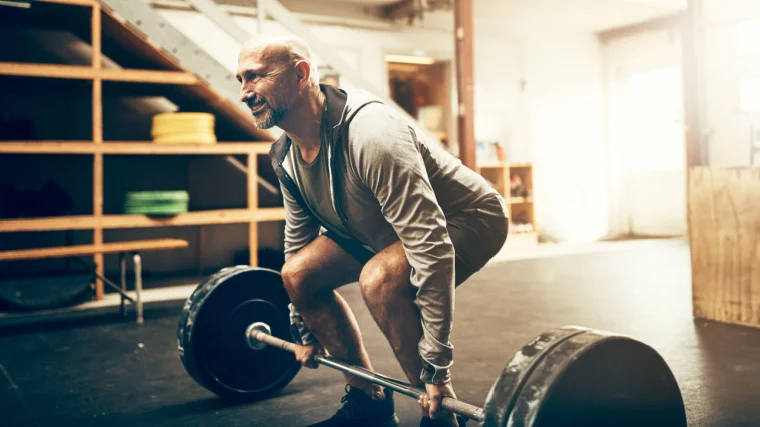
One of the most significant growth areas in Powerlifting America competition is the Masters divisions — and the athletes driving that growth are doing something that mainstream fitness culture doesn't celebrate enough: competing seriously at the national level in their 40s, 50s, 60s, and beyond.
The Masters divisions in Powerlifting America are not a consolation bracket for lifters who aged out of the Open. They're legitimate competitive divisions with national rankings, championship events, and the same IPF-affiliated standard that governs all PA competition. A Masters national title means something.
This guide covers everything Masters lifters need to know about competing in Powerlifting America — including at the national showcase at the North Texas Strength Expo in Mesquite, Texas.
The PA Masters Division Structure
Powerlifting America follows IPF age division standards for Masters competition:
- Masters 1: Age 40–49
- Masters 2: Age 50–59
- Masters 3: Age 60–69
- Masters 4: Age 70+
Athletes compete in the Masters division corresponding to their age on competition day. There is no partial year transition — if you turn 40 the day of competition, you compete as Masters 1.
Open eligibility: Masters athletes may also compete in the Open division simultaneously at PA events. This means a 52-year-old lifter can compete as both a Masters 2 competitor (for age-specific ranking and titles) and an Open competitor (for overall meet placing based on total). Many Masters athletes do both.
Masters Weight Classes
Masters divisions follow the same kilogram-based weight classes as the Open division in Powerlifting America:
Men: 59kg, 66kg, 74kg, 83kg, 93kg, 105kg, 120kg, 120kg+Women: 47kg, 52kg, 57kg, 63kg, 69kg, 76kg, 84kg, 84kg+
Masters Rankings and National Championships
Powerlifting America maintains national rankings for Masters athletes across all age brackets and weight classes. Rankings are based on Dots score — a bodyweight-corrected performance metric that allows comparison across different weight classes.
PA Masters National Championships is a dedicated championship event for Masters athletes. This is separate from the Open Nationals and provides a platform where Masters-only competition is the focus. PA Masters Nationals entry typically requires qualifying standards that vary by division and weight class — check powerlifting-america.com for current qualifying totals.
For Masters athletes competing at the North Texas Strength Expo, the Powerlifting America showcase provides a national-level competition on a major stage alongside the Open competitors. Masters athletes competing at the expo benefit from the same crowd, the same atmosphere, and the same competitive prestige as the Open division.
How Masters Powerlifting Differs From Open Competition
The standards are the same. There are no modified judging standards for Masters athletes. Depth requirements, command compliance, equipment standards, and drug testing protocols are identical between Masters and Open divisions. A Masters 2 national champion met exactly the same technical standards as an Open national champion.
The competitive calculation changes. Masters rankings use Dots scoring rather than absolute totals for cross-division comparison. Understanding your Dots score — and how it compares to Masters rankings in your division — is the performance target that Masters athletes optimize around.
The recovery framework is different. Competitive Masters powerlifters generally train with more conservative volume-to-intensity ratios, longer recovery windows between hard sessions, and more deliberate attention to joint health and soft tissue maintenance than most younger Open competitors. The training produces competitive results — but the process looks different.
Training Principles for Masters Powerlifters
Technique is the primary performance lever. Technical development doesn't plateau with age the way maximal strength sometimes does. Masters lifters who invest in technique refinement — working with coaches who understand the specific demands of IPF-standard lifting — consistently see performance improvements even when absolute strength gains slow.
Competition frequency management. Masters athletes typically compete 2–4 times per year rather than the 4–6 frequency that some younger Open competitors maintain. Concentrated competition with longer preparation periods between them allows fuller recovery and more complete training cycles.
Specificity throughout the year. Competition-specific movement patterns — the exact squat, bench, and deadlift as they'll be judged in competition — should be present year-round rather than only in the peaking phase. Masters athletes who drift too far from competition technique during off-season training lose specificity that's harder to rebuild than for younger lifters.
Protein and recovery nutrition. Research indicates that Masters athletes require higher protein intake per meal to achieve the same muscle protein synthesis response as younger athletes. A target of 40g+ of high-quality protein per meal — rather than the 20–25g adequate for younger athletes — supports the recovery and tissue maintenance that Masters competition demands.
The Masters Community at the North Texas Strength Expo
One of the consistently reported highlights for Masters athletes competing at major events like the North Texas Strength Expo is the quality of the community they find among fellow Masters competitors.
The Masters powerlifting community shares a specific bond: the choice to compete seriously at an age when most people have stepped back from athletic ambition. That shared commitment creates a generosity and mutual respect that spectators often notice even before they understand the competition itself.
Masters athletes at the expo are competing for national titles on the same floor, in the same atmosphere, with the same PA-standard judging as the Open athletes. Their results are published on the same results sheet. Their performances are watched by the same 5,000+ fans.
The only difference is they've been doing this longer than most.

Masters athletes — your national stage is at the NTX Strength Expo in Mesquite TX.Get registered at ntxstrengthexpo.com


Find Us On
.svg)

.svg)