


Powerlifting Deadlift Technique — How to Pull More and Get White Lights Every Time
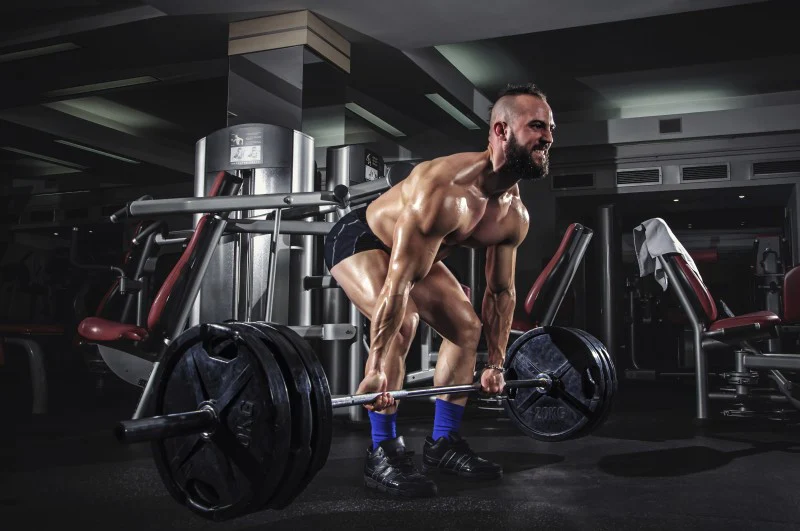
The deadlift closes every powerlifting competition. It's the final lift, the one that determines the final totals, and the event where the most dramatic competition moments happen — third attempt deadlifts that decide the class, records being chased, careers being defined.
A technically sound competition deadlift is the product of specific preparation. This guide covers powerlifting deadlift technique from setup to lockout, the critical competition standard elements that must be met for white lights, and the common mistakes that turn strong deadlifts into red lights.
The Competition Deadlift Standard
In Powerlifting America competition (IPF rules), a legal deadlift requires:
1. The lift to standing: The bar must be lifted from the platform to a fully standing position — hips fully extended, knees fully locked, body fully upright.
2. No hitching: The bar cannot be supported on the thighs or re-bent knees to help complete the lift. The bar must travel from the floor to lockout in a continuous upward movement.
3. No downward movement before the "down" command: Once the bar begins to move upward, it cannot move downward before reaching lockout. Downward bar movement before lockout is a red light.
4. Command compliance: The bar must be lowered under control after receiving the "down" command — not dropped, not thrown. Missing the "down" command or lowering before it's given is a red light.
Conventional vs Sumo — Which Style for Competition?
Both conventional and sumo deadlift stances are legal in all powerlifting organizations. The choice between them is individual and should be based on which style allows you to lift more weight with greater technical consistency.
Conventional deadlift: Feet hip-width or slightly narrower, hands outside the legs. The movement pattern is primarily hip hinge and posterior chain dominant. Athletes with longer torsos and strong upper backs often favor conventional.
Sumo deadlift: Wide stance with feet turned out significantly, hands inside the legs. The movement pattern involves more hip external rotation and quad contribution at the initial pull. Athletes with longer femurs (thigh bones) and strong hip external rotators often favor sumo.
Most beginners start with conventional. If your conventional deadlift is limited by hip mobility or lower back stress, sumo may be a more natural fit and worth developing.
Setup — The Most Important Phase of the Deadlift
Competition deadlifts are frequently won or lost at setup — before the bar leaves the ground.
Bar position: The barbell should be directly over the mid-foot — approximately 1 inch from the shins for most conventional pullers. Standing too far from the bar creates a longer horizontal distance the bar must travel, increasing the demand on lower back and reducing efficiency.
Hip height at setup: Hips should be positioned between a "true" deadlift (hips high, back nearly horizontal) and a "squat" starting position (hips very low). The optimal hip height is the one that creates the appropriate torso angle for your leverages while allowing full leg drive through the floor.
Lats engaged before lifting: Before the bar leaves the floor, engage the lats as if you're "protecting your armpits" or pulling the bar into your body. This lat engagement keeps the bar close to the body throughout the lift and provides stability to the shoulder girdle.
Brace fully before lifting: Same principle as the squat — full breath, 360-degree expansion, maximum brace. This should happen before you initiate movement.
The Pull — Floor to Lockout
"Push the floor away" vs "pull the bar up." Two mental models produce slightly different results for different athletes. "Push the floor away" activates leg drive and tends to keep the hips from rising too fast. "Pull the bar up" activates the posterior chain and upper back. Experiment with both cues and use whichever produces your best positions.
Maintaining bar-body contact: The bar should stay in contact with (or very close to) the legs throughout the lift. A bar that drifts forward away from the body increases the moment arm and makes lockout significantly harder. Drag the bar up the shins and thighs.
Hip drive to lockout: As the bar passes the knees, drive the hips forward to lockout. The hips and shoulders should rise at the same rate — if the hips rise significantly faster than the shoulders (a "good morning" pattern), the lower back is taking excess load and the leverage for lockout is compromised.
Full lockout standard: Hips fully extended forward, knees fully locked, body fully upright. Not a slight forward lean with partially bent knees — full lockout. This is what judges are watching for before giving the "down" command.
The "Down" Command — The Last Technical Requirement
After locking out the deadlift, hold the position until the judge gives the "down" command. Then lower the bar under control to the platform.
The most common violation at this stage is either releasing the bar before the "down" command (dropping it) or lowering it so fast that control is clearly absent. The bar must be lowered under muscular control — not thrown down.
Practice holding the lockout position for 2–3 full seconds in every training deadlift to build the habit of waiting for the command. Athletes who train the lockout hold develop automatic compliance with the competition standard.
Common Competition Deadlift Mistakes
Hitching: Resting the bar on the thighs and re-bending the knees to use the leg as a fulcrum is the most obvious technical violation. Correct it in training by ensuring the bar travels in a straight path past the thighs without contact with the upper leg.
Releasing before the "down" command: The most common red light on an otherwise successful deadlift. The excitement of completing the lift causes many athletes to release before the judge's signal. Train the hold.
Downward bar movement mid-lift: Usually a result of tackling too heavy a weight or losing body position mid-pull. Correct with conservative attempt selection and addressing the specific position where the breakdown occurs.
Pull Your Best at the North Texas Strength Expo
The Powerlifting America showcase at the North Texas Strength Expo closes its session with the deadlift — the final lift, the highest totals, the national titles decided. Train the technique. Get the white lights.

Compete in Powerlifting America at the NTX Strength Expo — Mesquite TX.Get registered at ntxstrengthexpo.com



Find Us On
.svg)

.svg)