


Powerlifting First Meet Survival Guide — Everything You Need to Know Before You Compete
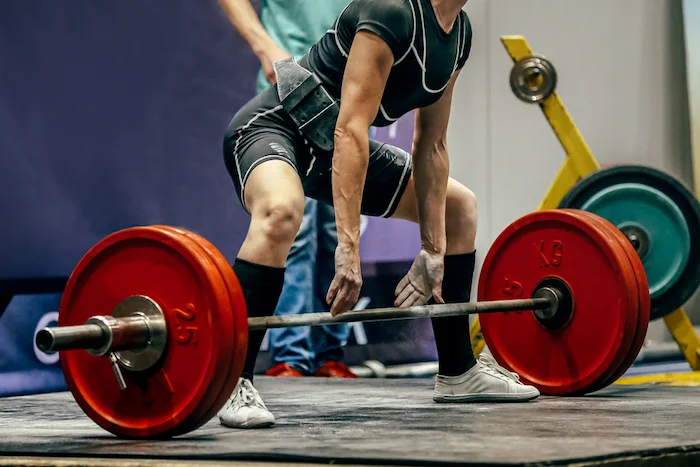
You've trained. You've peaked. You've tapered. Now it's meet day — and the gym environment you've prepared in has absolutely no resemblance to what you're about to walk into.
First powerlifting meets produce specific surprises that no amount of reading fully prevents — but being warned about them dramatically reduces the impact. This is the guide that covers what most powerlifting prep resources leave out: the raw, practical survival information for your first competition.
The Night Before — What Most Athletes Get Wrong
Most first-meet advice covers training and nutrition. Almost none of it covers the night before's most important variable: get everything packed before you sleep.
Your competition bag should contain every item you need before you close your eyes the night before. Not "mostly packed." Fully packed, laid out, confirmed.
What goes in the bag:
- Singlet (confirm it's on the current PA approved list)
- Lifting belt
- Knee sleeves (broken in, confirm appropriate sizing)
- Wrist wraps
- Deadlift socks or shin protection
- Competition shoes
- Chalk (loose chalk permitted at most PA meets — confirm with meet director)
- Backup belt (lever or prong check — levers can malfunction)
- Your opening attempts written down
- PA membership confirmation (screenshot or printout)
- Photo ID
- Meet day nutrition
- Water bottle
- Extra clothes for warming up and cooling down
Pack it all. Confirm it all. Then sleep without the low-level anxiety of wondering if you've forgotten something.
Competition Morning — The Timeline That Works
Wake up with enough time to eat your pre-meet meal, allow 2–3 hours for it to digest, and arrive at the venue with buffer before weigh-in opens.
A common mistake: showing up with exactly enough time to make weigh-in and immediately finding there's a line. Build in a 30-minute buffer beyond whatever you think you need.
Weigh-in logistics:You'll remove most clothing to step on the scale. Wear a swimsuit or underwear under your warm-up clothes to make this smooth. Have your PA membership card ready before you join the weigh-in line, not while standing at the scale.
After weigh-in: If you have a 24-hour weigh-in, you've already eaten and rehydrated before arriving. If same-day, begin eating and hydrating immediately after making weight.
The Warm-Up Room — The Most Chaotic Place You've Never Been
The powerlifting warm-up room at a meet will be the most chaotic barbell environment you've ever been in. Multiple athletes warming up simultaneously, equipment everywhere, experienced coaches calling commands, people at different points in their preparation.
Three things to do in the warm-up room:
Find the loading crew or ask who's managing attempts. Someone is running the warm-up room — usually a meet official or an experienced competitor acting as a coordinator. Introduce yourself, tell them it's your first meet, and ask for help understanding the timing.
Work backward from your opener. Your opener should be your final warm-up weight, or just below it. You want your heaviest warm-up set completed approximately 5–10 minutes before your first lift is called. Work backward from your flight's anticipated start time.
Ignore what everyone else is lifting. The warm-up room contains athletes from multiple weight classes and flight orders. Someone warming up with 150kg above your opener doesn't mean you should change your attempts. Stay in your plan.
The Flight — When Your Name Gets Called
When your flight is called, move to the ready area near the platform. You'll receive notification of the order of lifting within your flight and can estimate approximately when your name will be called.
Before you approach the bar:Take a deliberate breath. Review your technical cues — not all of them, just the one or two that matter most for this attempt. Walk to the bar with intention.
The commands:For squats and deadlifts, the head referee (directly in front of you) gives the signals. For bench press, watch the head judge at the side of the bench for arm signals and verbal commands.
First-time competitors commonly describe the commands feeling different than in training — the timing, the tone, the context. This is normal. The practice you've done in training has built the response. Trust it.
Handling Your First Red Light
You will feel the lights before you see them. The crowd reaction tells you immediately — either supportive for white lights or sympathetic for red.
If you get red lights:
First: look at the lights panel to confirm the result. Second: ask the head judge why — they are required to tell you the specific reason for each red light. Third: adjust for the next attempt.
Do not try to process what happened while you're still on the platform. Walk off, find your handler or a corner of the warm-up room, take 30 seconds, then analyze.
Common first-meet red light reasons: depth on squat (usually the athlete genuinely didn't go deep enough under pressure), missing the "press" command on bench (pressing before the signal), and releasing the bar before "rack" or "down." All of these are correctable.
Between Flights — The Long Waiting Game
Powerlifting meets involve significant waiting between attempts. The gap can be 15–45 minutes depending on flight size.
What to do between attempts:
- Sit down. Conserve energy.
- Eat a small carbohydrate snack if more than 20 minutes remain
- Keep warm — don't let your body temperature drop
- Don't watch other athletes' attempts with anxiety — watch to learn, not to compare
- Confirm your next attempt weight with your handler
What not to do:
- Additional warm-up sets that create fatigue
- Anxiety-fueled extra movement
- Changing your attempts without a clear strategic reason
The Post-Meet Experience
When your last deadlift is done, you've done it. Your first meet is complete.
The post-meet experience is almost universally positive for first-time competitors — not because the result was necessarily what they hoped for, but because the experience of competing in a legitimate judged environment, in front of a crowd, with real stakes, is genuinely exhilarating in a way that training never quite replicates.
You'll want to do it again. That's the signal that the sport has you.
The Powerlifting America national showcase at the North Texas Strength Expo in Mesquite is where the journey that starts at your first local meet ultimately leads.

Start your powerlifting career — and build toward the NTX Strength Expo national stage.Get tickets and registration at ntxstrengthexpo.com


Find Us On
.svg)

.svg)