


Powerlifting Squat Technique for Beginners — Everything You Need to Hit Legal Depth
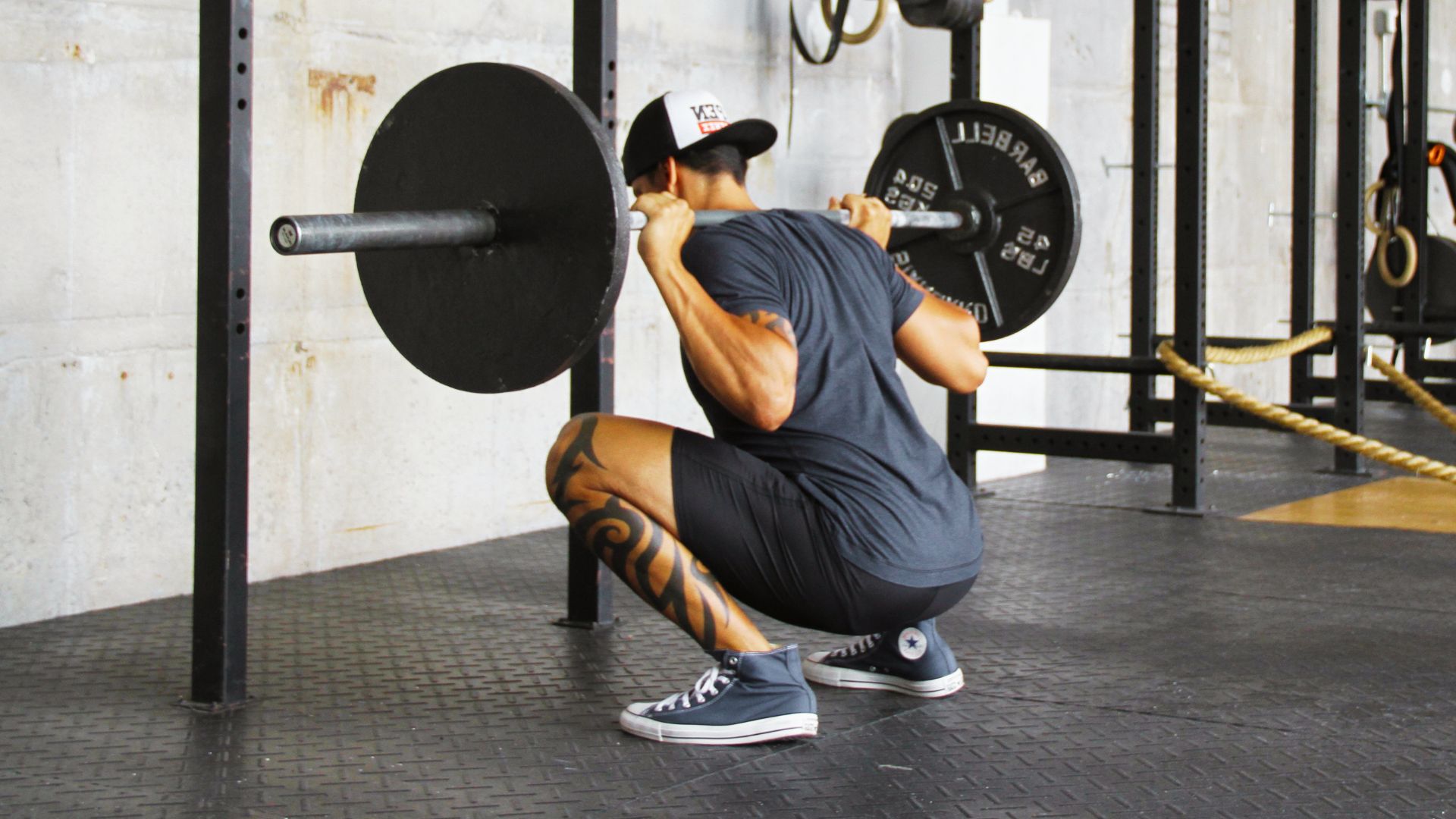
The powerlifting squat is the first lift of every competition — and it's the one that most first-time competitors underestimate. The technical demands of a competition squat are meaningfully different from a gym squat, and athletes who train exclusively for strength without training for competition standards regularly discover this on the platform when red lights appear on lifts they made in the gym.
This guide covers competition powerlifting squat technique specifically — with the technical standards you need for Powerlifting America competition at events like the North Texas Strength Expo in Mesquite, Texas.
The Competition Squat Standard — What Judges Are Looking For
In Powerlifting America competition (following IPF rules), a legal squat requires:
1. Depth: The hip crease must be clearly below the top of the knee at the bottom of the movement. This is the most commonly failed standard. Note that it's the crease of the hip (where the thigh meets the hip flexors) that must be below the knee — not the hip bone itself.
2. Full lockout at start and finish: The lifter must stand with legs fully extended and body fully upright before the "squat" command is given. The same full lockout must be achieved at the end of the lift before the "rack" command is accepted.
3. Controlled descent and ascent: The bar cannot move downward during the ascent phase. If the bar stalls and begins to descend after you've started the upward movement, the lift is a red light.
4. Command compliance:
- Wait for the "squat" command before beginning to descend
- Wait for the "rack" command before re-racking the bar
- Missing either command is an automatic red light regardless of movement quality
The Most Common Technical Failure — Depth
Depth is the most frequently cited reason for a red light on the squat in competition. There are two primary reasons athletes fail depth in competition after making their squats in training:
They're actually not hitting depth consistently in training. Without someone watching from the side or video feedback, many athletes overestimate their depth. Their perception of where they are in the movement doesn't match what the judges see from outside. Record your training squats from the side and compare the actual hip-to-knee relationship to what you thought you were achieving.
Competition nerves shorten the movement. The adrenaline of competition changes how a lift feels. A squat that registers at depth during calm training may feel like enough depth under the compressed, adrenalized feeling of competition — but the movement pattern shortens slightly from what was trained. Training specifically to a depth slightly below competition standard gives you a margin of safety when nerves affect the movement.
How to train for reliable depth:
Box squats to a box height that guarantees legal depth teach the athlete what correct depth feels like at the bottom. Pause squats (holding the bottom position for 2–3 seconds) develop awareness of the bottom position and build the posterior chain strength needed to drive out of depth consistently. Video feedback from the side angle is the most reliable quality check available.
The Setup — Bar Position and Bracing
Bar position:
The two common bar positions in powerlifting are high bar (bar resting across the upper traps) and low bar (bar resting across the rear delts, 2–3 inches below the high bar position). Both are legal in powerlifting.
High bar produces a more upright torso and is more similar to Olympic weightlifting squats. Low bar produces a more hip-dominant movement pattern with more forward lean and is used by most competitive powerlifters because it allows heavier absolute loads.
Most beginners start with the bar position that feels more natural and work from there. Low bar allows more weight but requires specific shoulder flexibility and a different movement pattern. Don't force low bar if shoulder mobility makes the position uncomfortable — an appropriately placed high bar squat will produce results.
The bracing sequence:
Proper bracing before unracking and throughout the squat is one of the most important technical skills in competitive powerlifting.
- Take a full breath into the belly — not the chest. 360-degree expansion of the trunk, including the lower back pressing outward.
- Brace the core as if you're about to take a hit. This creates intra-abdominal pressure that supports the spine under load.
- Maintain this brace throughout the entire descent and ascent. Don't release the breath at the bottom.
- Breathe only after the lift is fully locked out and you're waiting for the "rack" command.
The Valsalva maneuver — holding a breath under maximum tension — significantly increases the stability that the spine can maintain under load. Athletes who breathe mid-squat on maximum attempts lose the intra-abdominal pressure that protects the lower back and supports the movement.
The Descent — Controlled, Intentional, Deep
Foot position: Most competitive powerlifters squat with feet somewhere between shoulder-width and slightly wider, toes angled outward between 15–45 degrees. The exact position is individual — find the stance that allows you to reach legal depth with a braced core and knees tracking in the direction of your toes.
Initiating the descent: Push the knees outward in the direction of the toes as you begin the descent. This cue (knee push) helps maintain an upright shin position and prevents knees from collapsing inward.
Depth target: Aim to consistently reach slightly below the minimum legal depth in training. A hip crease that's clearly and comfortably below the top of the knee gives you margin that a just-at-depth squat doesn't provide.
The Ascent — Driving to Lockout
The drive cue: "Drive through the floor" or "push the floor away" — these cues activate the leg drive component of the ascent most effectively for most athletes.
Maintaining bar position: The bar should travel in approximately the same path as the descent — straight up, not forward. If the bar drifts forward significantly during the ascent, it indicates the hips are rising faster than the chest, which can cause a "good morning" position that stalls the lift.
Completing the lockout: Fully extend the hips and knees to a locked-out standing position. Don't rack the bar until the judge's "rack" command — regardless of how certain you are that the lift is complete.
Practicing Commands in Training
The most straightforward technical preparation for competition is practicing the command-responsive movement in training. Have a training partner or coach call "squat" and "rack" commands on every set. If you don't have a training partner, record your sets and review the command response pattern.
After several weeks of command-responsive training, responding correctly to the commands becomes automatic — removing one of the most preventable causes of red lights in competition.

Train the competition squat. Take it to the Powerlifting America showcase at the NTX Strength Expo.Get registered at ntxstrengthexpo.com



Find Us On
.svg)

.svg)