


Strongman Nutrition Guide — What to Eat to Train and Compete at Your Best
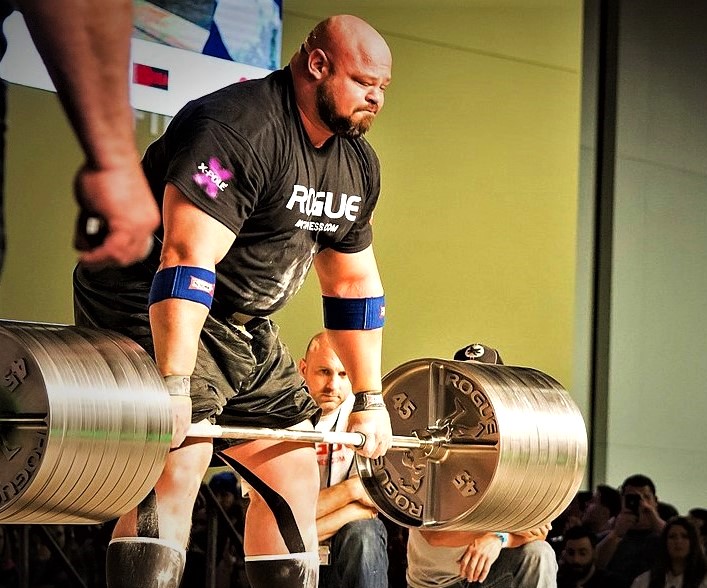
Strongman has the most nutritionally demanding training requirements of any strength sport. Not just because the athletes are large — though many are — but because the training itself demands more from the body simultaneously than powerlifting or HYROX does alone.
A single strongman training session might include log press work (overhead pressing strength), yoke carries (loaded locomotion and core stability), Atlas Stones (full-body explosive loading), and farmer's carry (grip and cardiovascular conditioning) — all in the same 90-minute session. The energy demands, the tissue stress, and the recovery requirements of that training profile are enormous.
This guide covers strongman nutrition at every phase — daily training, competition prep, event day, and recovery — so athletes competing at Strongman Corporation Nationals at the North Texas Strength Expo in Mesquite arrive fueled to perform.
Understanding the Strongman Energy System Demands
Strongman competition and training operates primarily through the phosphocreatine (PCr) system for individual maximum-effort attempts — but the multi-event nature of the sport, particularly events like loading medleys and rep-based overhead events, demands significant glycolytic contribution.
The practical implication: strongman athletes need carbohydrates. Not excessive carbohydrates, but sufficient carbohydrate availability to support repeated powerful efforts throughout a training session or competition day.
Athletes who attempt to train strongman events in a carbohydrate-depleted state — either through very low-carb diets or insufficient pre-training fueling — consistently report degraded performance on speed events, loading medleys, and rep-based overhead work. The explosive, repeated nature of strongman events requires glycogen availability.
Daily Nutrition for Strongman Training
Protein (foundation): 0.8–1g per pound of bodyweight daily. This is consistent with recommendations for all serious strength athletes and is non-negotiable for supporting muscle protein synthesis, connective tissue maintenance, and recovery from strongman's physically demanding training.
Quality protein sources that form the foundation of strongman athlete diets:
- Beef (both for protein and creatine content)
- Chicken and turkey (lean, high protein)
- Eggs (convenient, complete amino acid profile)
- Fish (omega-3s support joint health alongside protein)
- Greek yogurt and cottage cheese (casein protein, good pre-sleep option)
- Protein supplements where whole food sources are insufficient
Carbohydrates (energy system support): 2–3g per pound of bodyweight on training days for most strongman athletes in heavy training blocks. Carbohydrate needs scale with training intensity and volume — a heavy event day requires more than an accessory-focused day.
Focus on carbohydrate timing:
- Pre-training: prioritize carbohydrates 1–2 hours before training for energy availability
- During long training sessions (90+ minutes): simple carbohydrates (fruit, sports drinks) can maintain performance
- Post-training: carbohydrates plus protein in the 30–60 minute window supports glycogen restoration and protein synthesis
Fat: Moderate amounts from quality sources — olive oil, avocado, nuts, fatty fish. Fat supports hormonal function, joint health, and satiety. Not the enemy of performance — excessive restriction of dietary fat in the context of hard training often produces hormonal issues that impair recovery.
Weight Class Management in Strongman
Strongman uses weight classes, which creates nutrition complexity beyond simple performance optimization. Athletes must manage body composition relative to their competitive weight class.
The fundamental principle: Compete at the weight class where you're strongest relative to the class limit. Making large cuts to reach a lower class typically costs more performance than the competitive advantage of the class change provides — particularly in strongman, where multi-event conditioning and cardiovascular capacity are affected by aggressive dehydration.
For athletes in the off-season or early competition season: Body composition work is more appropriate when competition is months away. Gradual body composition management through moderate caloric deficit (300–500 calories below maintenance) preserves training quality while allowing slow, sustainable changes.
In the 4–6 weeks before competition: This is not the time for body composition change. Nutritional focus shifts entirely to fueling training quality and arriving at competition in peak condition. Calories should be at or near maintenance, with emphasis on high-quality food sources.
In the final week before competition: For same-day weigh-in formats, modest water manipulation (reduced sodium, slightly reduced fluid) is common practice. For 24-hour weigh-in events, more significant fluid reduction is possible because recovery time is available — but even here, the performance cost of an aggressive cut needs to be weighed against the competitive benefit.
Competition Day Nutrition — Strongman Nationals
The Strongman Corporation Nationals at the North Texas Strength Expo is a multi-event competition day. Fueling across a full competition day requires a different approach than a single training session.
Pre-competition meal (2–3 hours before first event): Moderate-to-large carbohydrate-and-protein meal, lower fat and fiber for digestive comfort. Familiar foods only — competition day is never the time for new foods.
Between events: Quick-digesting carbohydrates maintain blood glucose across a multi-event competition day. Practical options:
- Banana
- Rice cakes with honey
- White bread
- Sports drinks with carbohydrates
Simple sugars are appropriate here because they digest quickly and don't sit heavily during subsequent events. High-fat or high-fiber foods between competition events create digestive demand that competes with the muscular demands of continuing to compete.
Hydration across the day: Consistent water intake. Electrolyte beverages if sweating significantly across multiple events. Sodium intake from food or electrolyte supplements supports fluid retention and muscle contractility across a full competition day.
The post-competition meal: Eat whatever you want. You've earned it.
Supplements for Strongman Athletes
The Strongman Corporation Nationals athletes on the floor at the North Texas Strength Expo use supplements strategically — not as replacements for training and nutrition fundamentals, but as targeted additions.
Creatine monohydrate (5g daily): The most universally used supplement in strength sports. Improves phosphocreatine resynthesis between efforts, supports high-intensity power output, and has the strongest research support of any performance supplement.
Caffeine (pre-training and pre-competition): Improves power output, reaction time, and sustained effort. Most strongman athletes use 200–400mg 45–60 minutes before training or competition. Manage tolerance by cycling off periodically.
Electrolytes: Particularly relevant for multi-event competition days. Sodium, potassium, and magnesium support fluid balance and muscle contractility across hours of competitive effort.
Beta-alanine: Supports buffering of lactate accumulation during rep-based events (log press rep events, loading medleys). Less critical for max-effort single attempts, more valuable for events with sustained effort.

Fuel your training. Fuel your competition. Race to Strongman Nationals at the NTX Strength Expo.Get registered at ntxstrengthexpo.com



Find Us On
.svg)

.svg)