


The Bench Press Commands in Powerlifting — Why They Matter and How to Practice Them
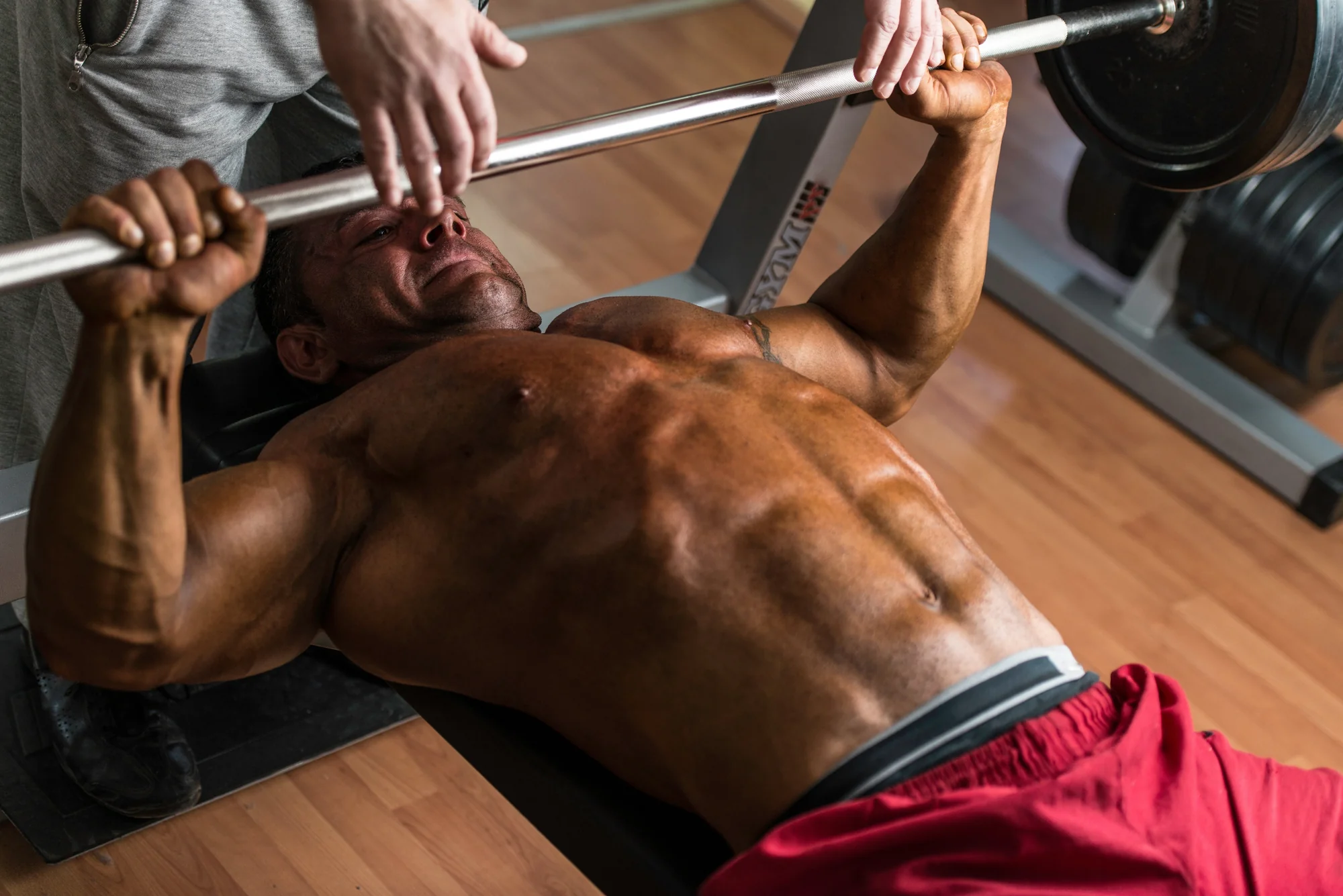
The bench press commands in powerlifting competition are responsible for more preventable red lights than any other technical element in the sport.
Not depth failures. Not hitching. Not downward bar movement. Missed commands — specifically on the bench press — are the most common cause of technically strong lifts getting red-lighted at meets from the beginner level all the way to national competition.
The reason is straightforward: in training, nobody waits for commands. You lower the bar, pause it, and press it. In competition, there are specific signals you must receive before lowering and before pressing — and the habit of pressing without waiting for the signal is so deeply ingrained from years of training that it overrides what you know intellectually should happen.
This guide covers the bench press commands completely, the 2026 rule updates that affect the bench specifically, and how to train command compliance so it's automatic rather than conscious on competition day.
The Three Bench Press Commands
Powerlifting America (following 2026 IPF rules) uses three commands for the bench press:
1. "Start" (or "Press")After unracking the bar and establishing a stable, motionless position at full arm extension, the head referee signals with a downward movement of the arm and the verbal command "Start." Only after this command may the lifter lower the bar to the chest.
2026 Rule Update: Under the updated 2026 IPF rules, full elbow lock must be established before the "Start" command is given. This is explicitly required. If the lifter's elbows are slightly bent when the bar is positioned above the chest waiting for the command, the lift can be red-lighted on the start position before the press even begins.
Train this specifically: after unracking the bar, establish a full, locked arm extension with the bar at chest height, hold it visibly locked, then wait for the "Start" command.
2. "Press"After lowering the bar to the chest and holding it motionless (pausing with the bar in contact with the chest, no bouncing or chest movement to propel the bar), the head referee signals with an upward movement of the arm and the verbal command "Press." Only after this command may the lifter begin pressing the bar upward.
This is the command most frequently missed in competition. Athletes who don't pause the bar long enough, who begin pressing before the command, or who let the chest rise to initiate bar movement before the command all receive red lights regardless of how strong the press is.
The pause must be motionless — the bar touching the chest in a still position. A bar that bounces off the chest or a chest that rises to meet the bar and propel it upward does not constitute a legal pause.
2026 Rule Update: The IPF has also explicitly banned upper-body thrust in the 2026 rules. Using thoracic extension and ribcage elevation to initiate bar movement from the chest after the pause is now a red light reason. The press must be initiated by arm and shoulder drive, not by lifting the chest into the bar.
3. "Rack"After pressing to full arm lockout (both arms fully extended, bar stable), the head referee signals with a downward movement of the arm and the verbal command "Rack." Only after this command may the lifter return the bar to the rack.
Returning the bar before the "Rack" command — whether from fatigue, habit, or certainty that the lift is complete — is an automatic red light on an otherwise successful press.
Why Command Compliance Fails in Competition
The habit override problem: Years of training without commands means the neural pattern for "lower the bar → pause → press → rack" is deeply established without external signals. In competition, the conscious brain knows to wait — but the subconscious movement pattern wants to execute the familiar sequence.
The only reliable solution is training the commands explicitly until the wait-for-signal version replaces the automatic version.
Adrenaline speeds everything up: Competition nerves accelerate perceived time. A pause that feels like a full stop in a calm training session may feel like an eternity of unnecessary waiting under competition adrenaline — and the athlete presses before the command arrives.
The "obvious completion" trap: On a strong, clean lift that clearly meets all technical standards, athletes sometimes rack the bar after completing the press without waiting for the "Rack" command because they're certain it's done. The judges don't count certainty — they count command compliance.
How to Train Command Compliance
Have someone call your commands in every training session. This is the most effective practice method. A training partner, coach, or even your phone on a timer delay can provide "Start," "Press," and "Rack" commands on every set. After 2–3 months of command-responsive training, the wait-for-signal pattern begins to override the automatic sequence.
Introduce command training in your final 4–6 weeks before competition. You don't need to use commands on every warm-up set throughout your training cycle. But in the final peaking block, training all heavy sets with command compliance builds the specific competition readiness needed.
Practice the pause specifically. Set a minimum pause duration in training — 2 full seconds of a motionless bar on the chest, minimum. This builds the pause habit with margin for competition conditions. A training pause of 2 seconds ensures a competition pause (which may feel shorter under nerves) still meets the standard.
Film from the side and review. Video review of your bench press training reveals command compliance issues that feel correct from the inside but aren't. Elbows that aren't fully locked at the start, chest that rises before the press command, bar that moves downward after beginning the press — all of these are visible on video and correctable before they cost you a competition lift.
The 2026 Rule Changes in Practice
For athletes preparing for Powerlifting America competition at the North Texas Strength Expo, both 2026 rule updates require specific training attention:
Full elbow lock before "Start": Build the habit of locking your elbows completely and holding that position for 1–2 full seconds before expecting the command. Don't let the bar begin to lower before you hear "Start."
No upper-body thrust: Review your bench press video specifically for chest elevation after the pause. If your chest rises before your arms begin pressing, you're using an upper-body thrust. Modify your technique to initiate the press from arm drive while keeping the torso stable.

Get white lights on every bench press at the Powerlifting America showcase — NTX Strength Expo.Register at ntxstrengthexpo.com



Find Us On
.svg)

.svg)