


The Complete Guide to Watching the United Grid League — Everything You Need to Know
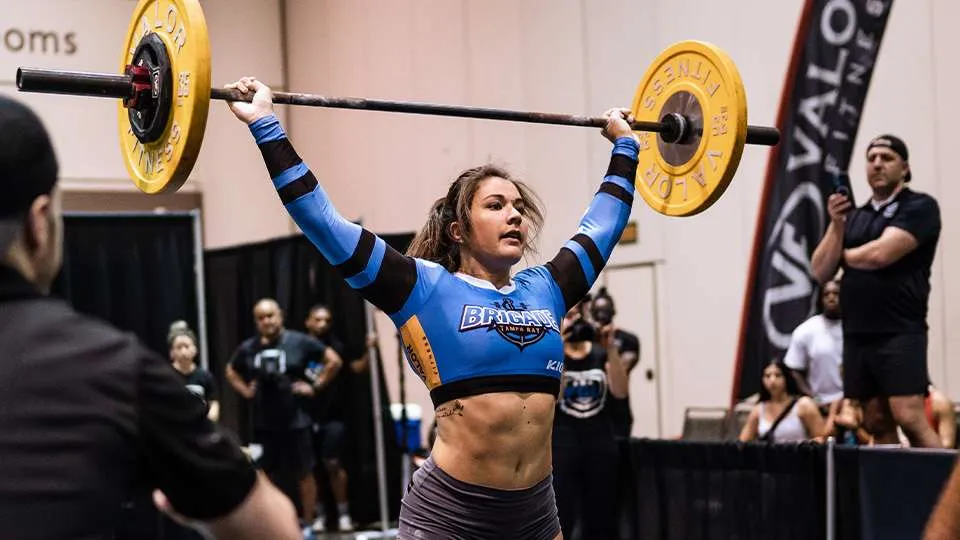
The first time most people watch a United Grid League match, they experience about 30 seconds of "what is happening" before something clicks — and then they can't look away.
The sport is built for exactly that conversion moment. The format is intuitive, the scoring is immediate, the team dynamic is visible in real time, and the races are short enough that there's always another dramatic moment just around the corner.
But like any sport, the more you understand going in, the richer the experience is when you're watching live. This guide gives you the complete context to walk into the United Grid League match at the North Texas Strength Expo in Mesquite, Texas and understand everything you're seeing as it happens.
The One-Paragraph Version
Two coed teams of athletes. Eleven head-to-head races. Strength, gymnastics, and bodyweight movements combined in a format specifically designed to be fast and exciting. One team wins each race, earns a point, and the team with more points at the end of the match wins. That's the United Grid League.
Everything else in this guide is depth on top of that foundation.
The Competition Floor — Understanding the Grid
The United Grid League takes place on a specially designed competition floor called the Grid. Here's what you'll see when you look at it:
Barbell platforms — multiple platforms spaced across the floor with plates loaded to specific weights. Different races use different loads.
Gymnastics rig — a horizontal rig with bars, rings, or both, positioned for pull-up variations, muscle-up attempts, and ring movements. This is the domain of the bodyweight specialists.
Running lanes — marked areas for sprinting components within specific races.
Transition areas — marked zones where athletes wait when not actively racing and where handoffs or substitutions occur between athletes.
The Grid layout is designed for maximum visibility from the spectator side — you should be able to see every station and every athlete simultaneously, which is intentional. The sport was designed to be watched, and the floor layout reflects that.
The Match Format — 11 Races
A United Grid League match consists of 11 races between two teams. Each race is different — different movements, different loads, different athlete combinations — but all follow the same core structure: both teams attempt the same defined task simultaneously, and the team that completes it first wins the race.
Races typically run under five minutes each, which means the full match unfolds in roughly 45–60 minutes with transitions and brief rest periods between races.
Scoring: Each race win earns the winning team one point. After all 11 races, the team with the most points wins the match. Most matches are decided in the 7–4 to 9–2 range, though close matches coming down to the final race do happen and produce the most intense crowd reactions.
The Race Types — What You're Actually Watching
United Grid League race types vary across the 11 races in a match. Understanding the main categories helps you know what to watch for in each race:
Strength RacesRaces where barbell movements determine the outcome — squats, deadlifts, cleans, or other loaded movements. Strength specialists on each team are typically deployed here. Watch for the weight on the bar relative to the athletes attempting it, and for the speed and efficiency of each team's execution.
In a strength race, the team whose strength specialists can complete the required movements faster wins. Technical efficiency — how quickly an athlete sets up, executes, and transitions — often matters as much as raw strength level.
Bodyweight/Gymnastics RacesRaces built around pull-ups, muscle-ups, ring work, or other bodyweight movements on the rig. Bodyweight specialists dominate these races. Watch for the transition efficiency between athletes — how quickly one team member hands off to the next — and for technical gymnastics skill that produces clean, efficient reps versus grinding repetitions.
Mixed RacesRaces combining elements from both categories — a loaded movement followed by a gymnastics element, or a running sprint combined with a strength task. These races often produce the most strategically interesting deployments because coaches must decide whether to use their strength specialists, their bodyweight specialists, or their utility players.
Head-to-Head Individual RacesSome races feature direct individual matchups — one athlete from each team competing head-to-head in the same race. These can cross gender lines: a female strength specialist may race directly against a male opponent in a loaded movement race. When a woman wins a head-to-head against a male opponent, the crowd reaction is always one of the loudest moments of the match.
The Athletes — What to Know About Positions
Understanding United Grid League athlete positions helps you understand why certain athletes are deployed for certain races and what makes each position valuable.
Strength Specialists — The heaviest athletes on the roster, typically with powerlifting or strongman backgrounds. Their value is in strength races where loaded barbell movements determine the outcome. Watch for them to be deployed on the heaviest-loaded races.
Bodyweight Specialists — Athletes with gymnastics, CrossFit gymnastics, or calisthenics backgrounds. Their value is in rig-based races where muscle-ups, strict pull-ups, and ring work determine the outcome. Watch for them to be deployed on races involving the rig.
Utility Players — Athletes capable of contributing across multiple race types. They're the strategic flexibility that allows coaches to respond to the opposing team's lineup. Watch for utility players to be deployed in mixed races and in situations where the coach is making a strategic adjustment.
The Coed Dynamic — Men and women compete on the same team and may race against each other. In some races, the deployment decision includes the gender dimension — which of the team's male and female athletes gives the best matchup against the opposing team's deployment. This is one of the factors that makes the United Grid League strategically unique.
Reading the Scoreboard and Following the Match
The United Grid League scoreboard displays:
- The current race number (1–11)
- The score (Team A points vs Team B points)
- The current race result as it concludes
By Race 6, the match narrative is usually clear: one team leading, one team trailing, and the remaining races representing opportunities for the trailing team to close the gap or the leading team to seal the result.
The most dramatic moments in United Grid League matches happen when:
The score is close going into the final few races. A 5–4 score going into Race 10 means either team can win — and the crowd feels that tension from the moment Race 9 concludes.
An unexpected deployment wins a race. When a team deploys an athlete in a role that surprises the opposition and the crowd — and that deployment wins the race — the strategic reveal creates immediate excitement.
A head-to-head matchup produces an upset result. When the athlete favored in a particular race type loses to the other team's deployment, the crowd reaction and the strategic consequence both land simultaneously.
Coaching Decisions — The Hidden Drama
One of the things that makes United Grid League different from individual fitness competition is the real-time coaching element. Coaches decide which athletes race which events, can make substitution decisions between races, and are responding to the opposing team's deployments throughout the match.
This coaching layer creates a chess-match dynamic that unfolds publicly in real time. When you watch a coach making substitutions between races, you're watching live strategic decision-making in a context where the wrong choice costs a point immediately.
Watching a United Grid League match is richer when you're aware of this coaching element — not just asking "which athlete is better?" but "which deployment gives this team the best matchup against that specific opponent?"
The United Grid League at the North Texas Strength Expo
The United Grid League match at the North Texas Strength Expo in Mesquite, Texas takes place inside the most energetic multi-sport atmosphere in Texas — 5,000+ fans, five simultaneous national competitions, and a crowd that's already charged from strongman, powerlifting, and HYROX action happening on the same floor.
That expo atmosphere intensifies the United Grid League match energy. When the Grid is in the middle of a close race and the crowd around it already knows what's at stake from the accumulated score, the reaction to each race outcome is amplified by the full expo energy surrounding it.
Come to the North Texas Strength Expo knowing what you're watching. You'll leave knowing it's one of the most compelling sports you've ever seen live.

Watch the United Grid League live at the North Texas Strength Expo — you won't regret it.Get your tickets at ntxstrengthexpo.com


Find Us On
.svg)

.svg)