


The Complete Spectator's Guide to Powerlifting — What to Watch for at a Competition
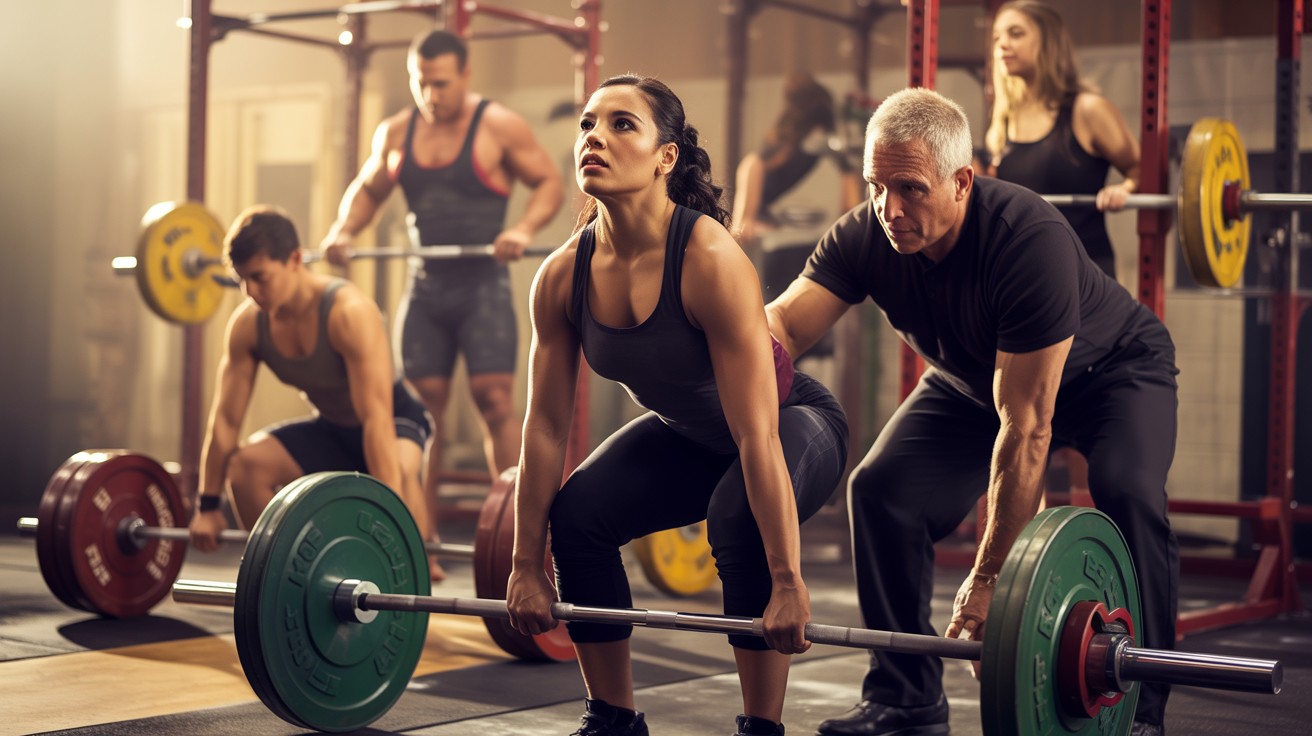
Powerlifting has a reputation as a difficult sport to watch if you don't already know the sport. One platform. One athlete at a time. Periods of apparent quiet between attempts. A scoring system that isn't immediately obvious.
That reputation is wrong — but it requires a guide to get past it.
Watching powerlifting with context transforms it from a confusing series of heavy bar movements into one of the most dramatically compelling athletic experiences in sports. The judging tension, the scoring strategy, the records being chased in real time, the crowd that knows exactly what it's watching — all of it becomes accessible once you understand the framework.
This guide gives you that framework completely. By the time you walk onto the Powerlifting America competition floor at the North Texas Strength Expo in Mesquite, you'll understand exactly what you're watching — and why the room goes electric when it does.
The Foundation — Three Lifts, Three Attempts, One Total
Powerlifting competition is built around three movements performed in a specific order: the squat, the bench press, and the deadlift. Every athlete competing gets three attempts at each lift. The best successful attempt in each movement is added together to produce a total — and the athlete with the highest total in their weight class and division wins.
That's the entire scoring system. No points for style, no deductions for appearance, no judging of anything except whether each lift meets the technical standards required for it to count.
What makes it dramatic is the combination of three variables:
- Whether each lift is technically successful
- How the weights build across three attempts
- How the totals accumulate against competitors simultaneously
The Three Lifts — What the Judges Are Looking For
The Squat
The barbell is loaded on a squat rack. The athlete walks it out, turns to face the judges, and waits for the head judge's signal to begin. The signal is the "squat" command — the athlete cannot begin descending until this command is given.
The athlete descends into a squat until the hip crease is clearly below the top of the knee (full depth), then stands to full lockout. When the judge determines the lift is complete, a "rack" command is given and the athlete returns the bar to the rack.
What judges are watching for:
- Depth — the hip crease must be visibly below the top of the knee at the bottom. The most common cause of a red light on the squat is insufficient depth.
- Knee lockout — legs must be fully extended at the start and end of the lift
- Bar movement — the bar cannot move downward after the lifter has begun the upward movement (hitching)
- Command compliance — the lifter must wait for "squat" and "rack" commands
The Bench Press
The athlete lies on the bench, grips the bar, and unracks it. When the bar is stabilized at arm's length, the judge signals "start." The athlete lowers the bar to the chest, where it must touch and pause motionless before the judge signals "press." The athlete presses to full arm lockout, holds the position, and waits for the "rack" command.
What judges are watching for:
- Pause on the chest — the bar must be visibly motionless on the chest before the "press" command
- Full lockout — both arms must be fully extended at the completion of the press
- Butt contact with bench — the lifter's hips must remain in contact with the bench throughout
- Foot contact with floor — feet must be flat on the floor or on foot blocks
- Command compliance — start, press, and rack commands all required
The 2026 IPF rule update added two specific bench press requirements now enforced at all Powerlifting America events: full elbow lock must be established before the "start" command is given, and upper-body thrust (using the chest and ribcage to initiate the press off the chest) is now explicitly prohibited. These changes affect how you evaluate close bench press calls at the expo.
The Deadlift
The barbell sits loaded on the floor. The athlete approaches, grips it, and pulls it to a standing position with hips fully extended and the bar hanging at arm's length. The judge signals "down" when the lift is complete, and the athlete returns the bar to the floor under control.
What judges are watching for:
- Full lockout — hips fully extended, knees locked, body fully upright
- Bar movement — the bar cannot move downward during the pull (hitching) except as a result of the knees being in the way during the initial pull
- Command compliance — the "down" command must be received before the bar is lowered
The Judging Lights — The Most Important Visual in Powerlifting
Every lift in powerlifting is judged by three certified referees positioned around the platform — one head judge facing the lifter and two side judges. After each attempt, each judge votes independently by pressing either a white button (lift passed) or a red button (lift failed).
The results display on a panel visible to the audience:
Three white lights — the lift passed. All three judges agreed it met the technical standards. The weight counts toward the athlete's total.
Two white lights, one red — the lift passed by majority. The failed judge had a specific technical concern, but the lift counts.
Two red lights, one white — the lift failed. Majority ruling. The weight does not count. One attempt used.
Three red lights — unanimous failure. Usually indicates a clear technical problem (depth, command miss, or lockout failure).
When you hear the crowd react to the lights display, the reaction corresponds to whether the result was expected or surprising. An unexpected red light on what looked like a clean lift creates a different reaction than an anticipated red on a near-miss attempt.
Understanding Attempt Selection Strategy
One of the most compelling strategic elements of watching powerlifting is following the attempt selection across a session. Athletes submit their second and third attempts after completing their previous attempts, and the choices they make reveal competitive strategy in real time.
Openers should be weights the athlete could lift on the worst training day of their life. You'll notice that openers at national competition are typically smooth, controlled, and clearly within the athlete's capability. They exist to get three white lights and establish the total, not to impress.
Second attempts are where the athlete's actual competitive range emerges. A lifter who hits a comfortable opener often jumps to a weight that challenges them. A lifter who struggles on the opener may make a smaller jump to establish a solid second attempt total.
Third attempts are often record attempts, personal records, or the weight required to place or maintain placement against specific competitors. Watching a third attempt in a close weight class race — where the difference between first and second place is decided by whether one athlete makes their final deadlift — is the most genuinely dramatic moment in powerlifting competition.
How to Follow the Scoreboard
At Powerlifting America competition, live scores are displayed and updated after each attempt. The key numbers to track:
Running total: Each athlete's current best total — the sum of their best successful squat, bench, and deadlift so far in the competition.
Weight class standings: The leaderboard for each weight class updates in real time. Watching the rankings shift as the competition progresses tells you whether the competition is a running away or a close race.
Remaining attempts: The scoreboard typically shows what weight each athlete has submitted for their next attempt. This lets you anticipate what's coming — whether a big third attempt is pending, whether any records are being chased, and what the stakes are for the next flight.
The Atmosphere — Why the Room Goes Quiet
Powerlifting creates a specific crowd experience that's unlike any other sport at the North Texas Strength Expo.
Before a maximum attempt — a third-attempt squat that the lifter needs to win the class, or a deadlift that would set a national record — the crowd goes quiet. Not the polite quiet of a golf gallery, but the tense quiet of several thousand people collectively holding their breath.
The lifter approaches the bar. They set their grip, their stance, their brace. The room is focused. And when the bar moves — or when it doesn't — the collective reaction is immediate and physical.
Those moments are what powerlifting spectating is actually about. The silence before and the explosion after are the signature experience of watching the sport live — and no broadcast or highlight clip captures it the way the room does.
Come Watch Powerlifting America at the North Texas Strength Expo
The Powerlifting America national showcase at the North Texas Strength Expo in Mesquite features national-level competition across multiple weight classes and divisions — squats, bench presses, and deadlifts at the highest PA competitive standard, in front of 5,000+ fans, with the full expo atmosphere surrounding every session.
You now know what you're watching. Go watch it.

Watch the Powerlifting America showcase live at the North Texas Strength Expo.Get your tickets at ntxstrengthexpo.com



Find Us On
.svg)

.svg)