


What a Powerlifting Platform Looks Like — A Visual Guide for First-Time Spectators
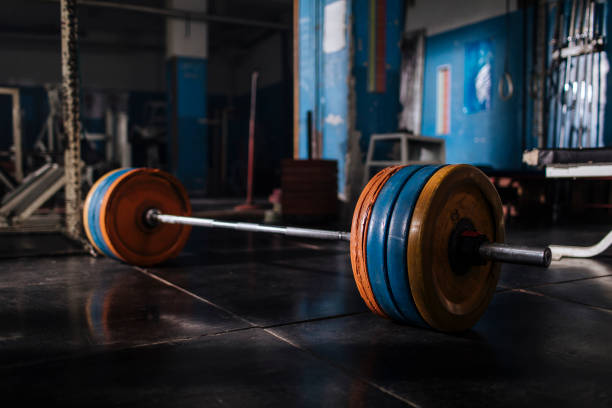
Walking up to a powerlifting competition platform for the first time, you'll see a specific setup of equipment, personnel, and signage that makes complete sense once you know what each element is for — and is slightly confusing until you do.
This guide gives you the visual vocabulary before you arrive at the Powerlifting America showcase at the North Texas Strength Expo in Mesquite, Texas.
The Platform Itself
The competition platform is a raised, padded wooden surface — typically 4 meters × 4 meters (approximately 13 feet × 13 feet). The padding matters: deadlifts are lowered under control to the platform at the end of each attempt, and the surface needs to absorb that impact without creating a slipping hazard.
The platform is elevated slightly above the floor — typically 6–12 inches — so that judges and spectators can clearly see the athlete's position, particularly the squat depth, from all angles.
The color of the platform surface varies by competition organizer, but competition-grade platforms are typically black or dark-colored with the organizing federation's branding.
The Barbell and Plates
The competition barbell is a calibrated Olympic barbell — specifically a powerlifting bar rather than a weightlifting bar. Powerlifting bars are:
- Longer than standard bars: 220cm (87 inches) versus typical 83-inch barbells
- Stiffer: Less whip than Olympic weightlifting bars (which are designed to flex)
- Knurled across the center: For better grip on the back in the squat
The competition plates are calibrated bumper plates or iron plates with specific tolerances — each plate's weight is certified to be within a small margin of its labeled weight. Competition calibrated plates are often brightly colored: 25kg plates are red, 20kg plates are blue, 15kg plates are yellow, 10kg plates are green. This color coding allows judges, spotters, and athletes to confirm the loaded weight at a glance without counting individual plates.
Collars secure the plates on the barbell ends. Competition collars are either spring collars or clamp collars — they prevent plates from sliding off under the dynamic loading of competition attempts.
The Squat Rack
The squat rack (or monolift) is the adjustable frame that holds the barbell at a specific height for the athlete to unrack for squats. The rack is set at a height specific to each athlete — neither too high (requiring the athlete to stand on toes to unrack) nor too low (requiring excessive knee bend before the lift begins).
J-hooks or monolift: A standard squat rack uses J-hooks that the athlete walks the bar out of and returns it to. Some competition formats use a monolift — a specialized rack where the hooks swing outward once the athlete has the bar, allowing a squat without walkout and with the hooks cleared from the path.
Spotters: At each side of the squat rack stand human spotters — typically two or three — whose job is to catch the bar if an athlete fails an attempt. Competition spotters are typically experienced strength athletes or coaches who can catch significant weight safely. Watching the spotters' positioning tells you a great deal about how close to maximum the current attempt is: spotters for a comfortable opener are relaxed; spotters for a maximal third attempt are visibly tensed and positioned much closer.
The Three Judges
Three certified referees assess every attempt. Their positioning:
Head judge: Directly facing the athlete from the front. Gives all verbal commands — "squat," "press/start," "rack," "down." This is the judge the athlete is watching for signals.
Side judges: One on each side of the platform. Assessing from their angle — particularly useful for squat depth evaluation, which is clearer from the side than from the front.
After each attempt, all three judges press either white (passed) or red (failed) buttons simultaneously. The results appear on a lights panel visible to the spectators — three white lights mean the lift passed, any red lights indicate a failure on at least one judge's evaluation.
The lights panel is one of the most important visual elements of powerlifting spectating. Position yourself where you can see the lights panel clearly. The half-second between the attempt completion and the lights appearing is the most suspended moment in powerlifting.
The Attempt Board
The attempt board (sometimes a digital display, sometimes a whiteboard) shows the current flight's attempt information — each athlete's name, their registered weight class, their current attempt weight, and their running total after each completed lift.
For spectators following the competition, the attempt board is your scoreboard. The current weights, the running totals, and the gaps between competitors are all visible here. At national-level meets, attempt boards are typically digital and updated in real time.
The Score Table
Adjacent to the platform is a table staffed by meet officials — the people managing attempt submissions, timing, and result recording. Athletes (through their handlers) submit their next attempt weight to the score table within a specific time window after each completed lift.
Watching the score table during close competition — handlers rushing over with attempt slips, officials updating the board, coaches conferring about strategy — gives you a window into the competitive decision-making happening behind every attempt.
The Crowd Position That Shows You Everything
At a competition platform, the best spectator position is slightly to the side of the platform — at an angle that lets you see:
- The athlete's squat depth from the side
- The judge directly facing the athlete
- The lights panel
- The attempt board
This position gives you everything you need to follow the competition in real time. The depth that makes or breaks a squat call is most visible from the side angle. The head judge's signals are clearly visible from the front quarter. The lights panel read is instant.

See the powerlifting platform live at the NTX Strength Expo — Powerlifting America showcase in Mesquite TX.Get your tickets at ntxstrengthexpo.com



Find Us On
.svg)

.svg)