


What Is the United Grid League? The Complete Guide to the Sport Everyone in Fitness is Starting to Talk About
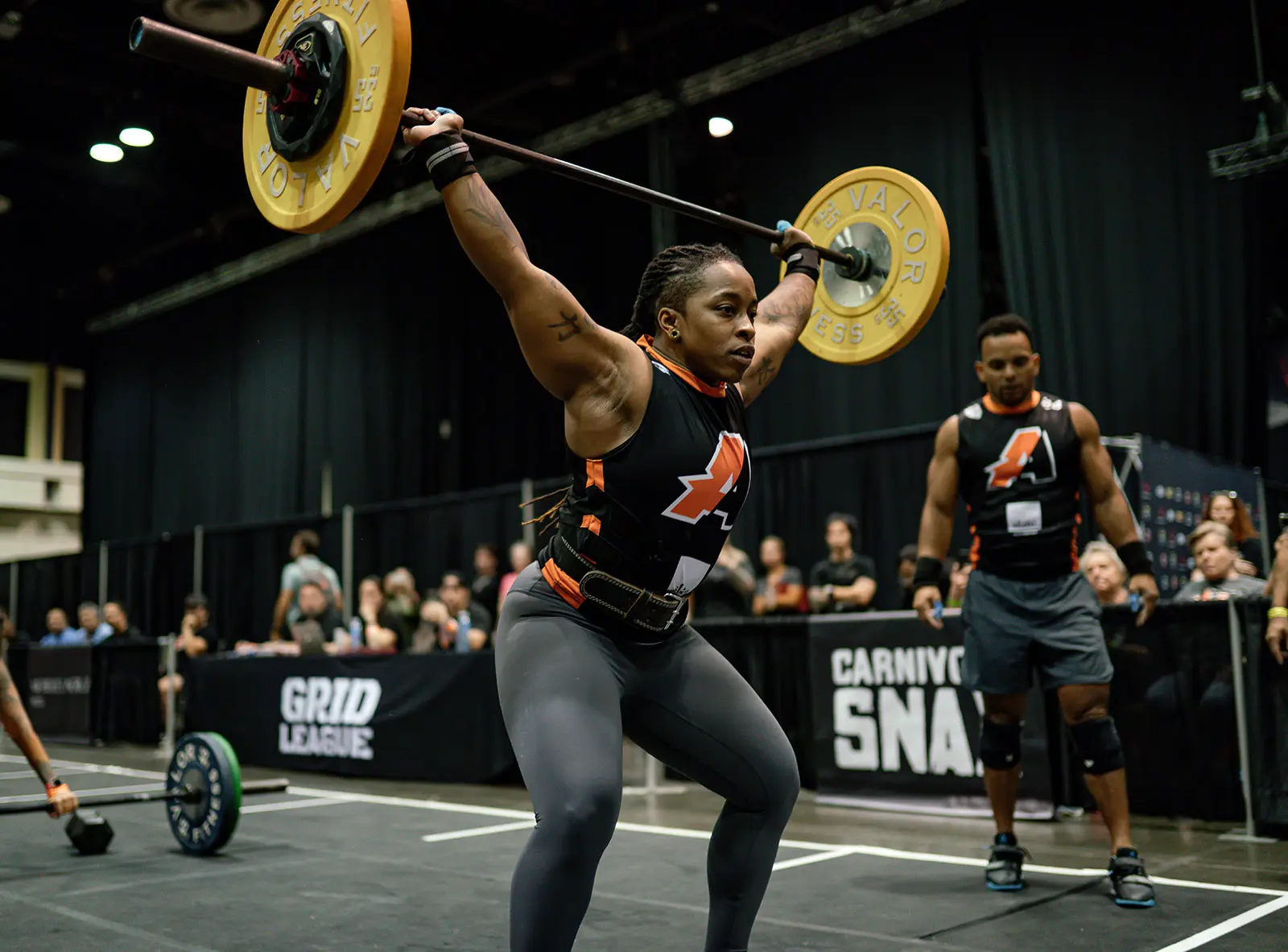
There's a sport growing quietly in the competitive fitness world — one that combines the intensity of CrossFit-style competition with the strategy of team sports, the coed competition structure that no other fitness league has attempted, and a race format so designed for spectators that athletes call it the most fun they've ever had competing.
It's called the United Grid League — and if you follow competitive fitness at all, you're about to start hearing a lot more about it.
The North Texas Strength Expo in Mesquite, Texas features the United Grid League as one of its five major competition events. This guide covers everything: what the United Grid League is, how it grew, what the competition looks like up close, how to get involved, and why it's one of the most exciting things happening in fitness sports right now.
What Is the United Grid League?
The United Grid League (UGL) is a professional team-based fitness competition where coed teams of athletes race head-to-head in a series of short, intense events on a purpose-built competition floor called the Grid.
A United Grid League match consists of 11 races between two opposing teams. Each race is short — typically under five minutes — and incorporates elements from weightlifting, gymnastics, and bodyweight movements. The team that wins more races wins the match. Teams accumulate wins across the regular season, advance to playoffs, and compete for a championship with a significant cash prize on the line.
What makes the United Grid League genuinely unlike anything else in competitive fitness:
True coed competition. Men and women compete on the same team simultaneously — not in alternating sets or separate divisions, but in the same race at the same time. This isn't a novelty — it's structural. The UGL was built around coed competition from the ground up.
Specialized athlete positions. Unlike most fitness competitions where every athlete needs to do everything, the United Grid League uses a position system. Strength specialists, bodyweight specialists, and utility players each have defined roles. A 240-pound former powerlifter and a 135-pound gymnastics specialist can both be essential contributors to the same championship team.
Real team strategy. Coaches make real-time decisions about which athletes compete in which races, how to match up against the opponent's roster, and when to deploy specialists versus utility players. The United Grid League has a genuine strategic layer that pure individual fitness competition doesn't.
Built for spectators. This is the design intention that separates Grid from every other fitness competition format. The race format, the match structure, the scoring system, and the physical layout of the Grid floor were all developed with the watching experience as a primary consideration — not an afterthought.
The History of Grid Sport — From National Pro Grid League to United Grid League
The United Grid League didn't emerge from nowhere. It's the evolution of a competitive vision that started in 2014 when the National Pro Grid League (NPGL) launched as the first professional team fitness sport broadcast on national television.
The NPGL debuted on NBCSN in 2014 with city-based franchises including the DC Brawlers, the Boston Iron, the San Francisco Fire, and others. The league brought elite CrossFit athletes into a team sports format and broadcast it to a national audience for the first time. The concept was ahead of its time — and the execution proved that team fitness competition could draw genuine sports fans, not just fitness enthusiasts.
The NPGL ran through 2016 before organizational challenges led to its closure. But the competitive format had proven its value, and the athletes and coaches who had experienced it firsthand knew the sport had a future.
The United Grid League is the rebuilt, expanded, and modernized version of that original vision. It retained the core match format and the position system that made Grid competition compelling, added improvements informed by several years of reflection on what worked and what didn't, and relaunched with city-based teams competing in a full season structure.
The growth has been significant: from 15 matches and 21,000 YouTube views in 2021 to over 407,000 views across just 14 matches by 2024. The community is engaged, the athlete talent level is rising, and the sport is attracting serious competitors from CrossFit, weightlifting, and gymnastics backgrounds who see the United Grid League as the competition format that rewards everything they've built.
How a United Grid League Match Works
Understanding how a UGL match works is straightforward once you see the structure. Here's the complete breakdown:
The Grid Floor: The competition takes place on a specialized floor with marked lanes, functional fitness stations, barbell platforms, and gymnastics equipment. The layout is consistent across events and designed for simultaneous head-to-head racing by both teams.
The Match Format: A United Grid League match consists of 11 races. Each race has a defined structure — specific movements, specific loads, specific distances — and is contested by assigned athletes from each team. Coaches submit their lineup for each race and can make strategic substitutions within the rules.
Race Types: Races vary in their demands. Some favor strength specialists. Some favor bodyweight and gymnastics athletes. Some are full-team efforts. Some feature head-to-head individual matchups across gender lines. The variety across 11 races is what makes the strategic position system meaningful — different races call for different athletes.
Scoring: Each race won earns the team a point. After all 11 races, the team with more points wins the match. In the event of a tie, tiebreaker protocols determine the winner.
The Season: Teams compete in a regular season against other United Grid League franchises, accumulating match wins to qualify for playoffs. The season culminates in a championship match with the title and a significant cash prize on the line.
United Grid League Athlete Positions — Where Do You Fit?
The position system is the most important concept for athletes who want to compete in the United Grid League. Understanding where you fit determines how you train, what you develop, and what your value to a team looks like.
Strength SpecialistThe strength position is for athletes with elite-level barbell strength. If you're a competitive powerlifter, a strongman athlete, or a heavily strength-biased gym athlete with a strong squat, deadlift, and press, this is your natural home. Races built around heavy loaded movements are where strength specialists deliver.
Training focus: maintain elite barbell numbers while developing enough conditioning to sustain race-pace effort. Power-to-weight ratio matters more than absolute strength — a 500-pound squatter who can also move fast beats a 600-pound squatter who can't.
Bodyweight SpecialistThe bodyweight position rewards elite gymnastics ability — specifically on a rig. Bar muscle-ups, ring muscle-ups, strict pull-ups, toes-to-bar, handstand walks, and complex bodyweight movement sequences are the currency of this position. A background in gymnastics, rock climbing, or CrossFit with a strong gymnastics emphasis is ideal.
Training focus: build and maintain gymnastics skills while adding enough strength training to handle the loaded elements that appear in some races. Bodyweight specialists who can't handle any barbell work become liabilities in hybrid races.
Utility PlayerThe most flexible position — and in many ways the most strategically valuable. Utility players can contribute across multiple race types, giving coaches deployment options that single-position athletes can't provide. The best utility players in the United Grid League are strong but not elite, gymnastic but not specialists, and remarkably well-conditioned across all domains.
Training focus: balanced development across strength, gymnastics, and cardiovascular capacity. Avoid becoming so specialized that you're only useful in a narrow range of races.
How to Get Into United Grid League Competition
For athletes who want to compete in the United Grid League, the pathway runs through the American Grid Trials — the annual recruiting combine that the league uses to identify and recruit new talent.
The Trials are announced annually through the United Grid League website and social media channels. Athletes register, complete a series of performance tests relevant to Grid competition, and submit results and video for review by team coaches. Athletes who stand out may receive tryout invitations or direct interest from team owners looking to fill specific roster needs.
For athletes in Texas specifically, the Houston-based team that joined the United Grid League for the 2025 season created the first regional option for Texas athletes — and the North Texas Strength Expo bringing UGL competition to Mesquite provides a highly visible local platform for DFW athletes to be seen by league scouts and team coaches.
Why the United Grid League Is the Most Exciting Event at the North Texas Strength Expo
Among the five elite events at the North Texas Strength Expo, the United Grid League match is consistently one of the most talked-about for first-time attendees who had no prior exposure to the sport.
The races are short enough that you're never waiting long for the next dramatic moment. The head-to-head format creates immediate stakes. The coed competition produces matchups that no other sport in the building can replicate. And the scoreboard drama — matches that shift race by race, all the way to the final event — delivers the kind of compressed sports narrative that modern sports fans are looking for.
Watch one United Grid League match live at the North Texas Strength Expo and you'll leave with a new sport to follow.

See the United Grid League live — one of the most exciting sports you've never watched.Get your tickets to the North Texas Strength Expo at ntxstrengthexpo.com


Find Us On
.svg)

.svg)