


What to Eat the Night Before a Strength Competition — The Complete Pre-Meet Nutrition Guide
Competition preparation is built over months of training. But the 18 hours before you step onto the platform — what you eat, when you eat it, and how you manage your body's fuel — can either express that preparation fully or undermine it in ways that feel invisible until you're mid-competition wondering why the bar feels heavier than it should.
This guide covers pre-competition nutrition for every athlete competing at the North Texas Strength Expo in Mesquite, Texas — powerlifters, strongman athletes, HYROX racers, arm lifting competitors, and anyone else stepping onto a competition floor.
The Universal Rules of Pre-Competition Eating
Before sport-specific guidance, these principles apply to every athlete regardless of discipline:
Rule 1: Eat familiar food. Competition day is not the time to try a new restaurant, a new meal prep service, or a food you've never eaten before training. Your digestive system responds differently to unfamiliar foods under stress. Stick rigidly to foods you've eaten regularly before training sessions.
Rule 2: Avoid high-fat, high-fiber meals the night before. Fat and fiber slow gastric emptying — food stays in your stomach longer. Heavy meals of fatty meats, large salads, or fiber-dense vegetables can sit uncomfortably through a morning competition. This doesn't mean avoiding fat and fiber entirely; it means choosing relatively lower amounts of both the evening before a competition.
Rule 3: Prioritize carbohydrates and protein. Carbohydrates replenish muscle glycogen — the primary fuel for strength and power output. Protein supports the muscle tissue you've built. Together, they form the foundation of every effective pre-competition meal.
Rule 4: Manage your fluid intake. Hydrate consistently throughout the day before competition. Don't overdrink in the evening (disrupts sleep with bathroom trips) and don't underdrink (arrives dehydrated). Consistent, moderate hydration throughout the day is the target.
The Night Before — What to Actually Eat
The dinner before your competition should be your most carefully chosen meal of the entire prep period.
Target composition:
- Carbohydrates (primary): Rice, pasta, bread, potatoes — any starchy carbohydrate source you know and trust. These are your glycogen top-off.
- Lean protein: Chicken, turkey, white fish, eggs — protein sources that digest cleanly without the fat content of red meat
- Vegetables (moderate, lower fiber): Cooked vegetables rather than raw salads. The cooking process breaks down some fiber and makes digestion easier.
- Fat (moderate): Don't eliminate fat — it supports satiety and hormone function. Just keep it moderate rather than having a cheese-heavy or oil-drenched meal.
Practical examples that work:
- Grilled chicken with white rice and steamed broccoli or green beans
- Pasta with marinara sauce and ground turkey
- Baked salmon with roasted potatoes and cooked zucchini
- Turkey and rice bowls with mild seasoning
Portion: Eat a full, satisfying dinner — not a massive feast, not a light snack. This is a normal-to-slightly-larger-than-normal dinner, not a carb-loading session.
Timing: Finish dinner at least 2–3 hours before sleep. Your digestive system works better when you're upright; eating immediately before bed can cause discomfort and disrupted sleep.
The Night Before — Managing Your Weight Class
For athletes managing a weight cut for same-day or 24-hour weigh-ins, the night before nutrition requires additional consideration.
Same-day weigh-in athletes: Your cut should already be done or nearly complete by dinner the night before. The goal at dinner is to be at or very close to your weight class limit so that overnight brings you to weight naturally. Do not eat a large carbohydrate meal if you're still above your weight class limit — prioritize reaching your weight class first.
24-hour weigh-in athletes: If you weigh in the evening before competition and have the full night to recover, the post-weigh-in meal is critically important. After making weight, immediately begin consuming fluids (particularly electrolyte-rich fluids) and carbohydrates to reload glycogen for the next day's performance. This recovery window is one of the most important nutritional opportunities in your competition cycle.
The Morning of Competition — Pre-Event Meal
Your morning meal before competing should be:
Consumed 2–3 hours before your first attempt. This allows most digestion to complete before maximum intensity. An athlete who eats 30 minutes before their opener is competing on an active digestion process — blood flow that should be going to working muscles is going to the gut.
Primarily carbohydrate and protein. Easy-digesting options:
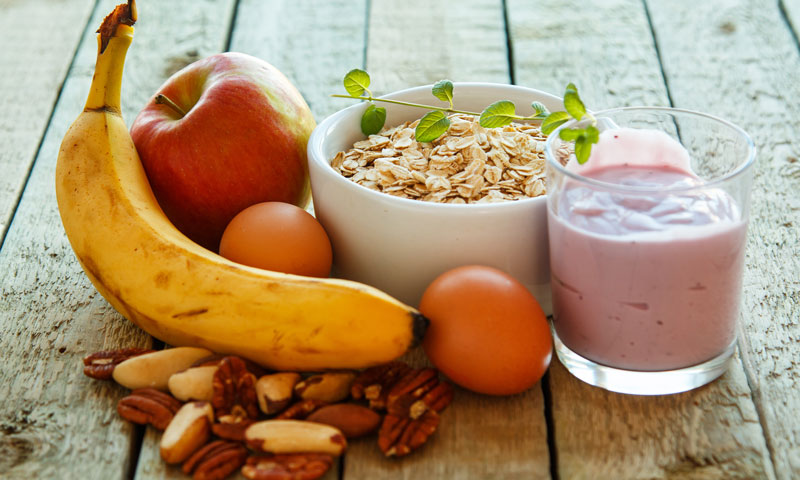
- Oatmeal with protein powder and a banana
- Toast with eggs and a small piece of fruit
- Rice cakes with nut butter and honey
- A meal replacement shake you've used in training
Moderate in volume. This is not a meal designed to fill you up — it's designed to top off blood glucose and keep you fueled through a multi-hour competition without weighing you down.
No new foods. This rule applies with doubled force on competition morning.
Fueling Between Attempts — Strongman, Powerlifting, and Arm Lifting
Multi-event competitions like Strongman Corporation Nationals and the Powerlifting America session at the North Texas Strength Expo run for hours. Fueling between events and attempts is a legitimate performance strategy, not optional.
Between powerlifting lifts (squat → bench → deadlift):
- Keep fueling simple: a banana, rice cakes with honey, a few pieces of white bread, or a sports drink between sessions
- Small amounts of quick-digesting carbohydrates maintain blood glucose without creating digestive work during maximum-intensity lifts
- Avoid high-fat snacks, protein bars with large amounts of fiber, or anything unfamiliar
Between strongman events:
- Strongman competition day is longer and more physically demanding than a powerlifting session
- More substantial between-event fueling is appropriate: a small rice and protein meal if sessions are more than 90 minutes apart
- Electrolyte drinks or coconut water replace sodium and potassium lost through sweating across a multi-event day
HYROX fueling:
- HYROX is a continuous race — no stopping between stations for nutrition
- All fueling happens before the race start
- Pre-race carbohydrate loading 2–3 hours before is the primary lever
- Some athletes carry a gel or sports chew to consume during the final 1km run if races run long
Post-Competition — The Meal You've Earned
When your competition is done, eat whatever you want. Genuinely.
The post-competition meal is one of the most well-earned in all of athletics. Your body has been depleted, your glycogen is spent, and your muscles have worked at maximum intensity. Protein and carbohydrates will serve your recovery best — but if you've been managing a weight class cut and you want pizza, tacos, or a burger, your body will use the fuel well regardless of what it comes from.
The North Texas Strength Expo is in Mesquite, Texas — surrounded by dining options that reward the end of a day's competition with exactly what you've been holding back from.

Fuel right. Compete right. The NTX Strength Expo in Mesquite TX is your stage.Get registered and get your tickets at ntxstrengthexpo.com



Find Us On
.svg)

.svg)