


Why Strength Sports Are the Best Sport for Adults Who Never Played Sports
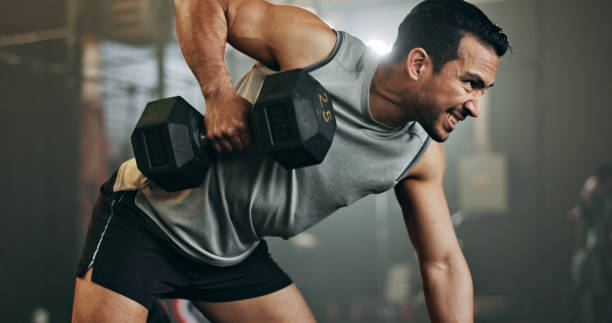
Many people who end up competing in strength sports at the national level — on the floor of the North Texas Strength Expo in Mesquite, Texas — have something in common that surprises people when they say it out loud: they didn't play sports growing up.
They weren't athletes in high school. They didn't have a college athletic career. They came to training and competition as adults — sometimes in their 30s, sometimes in their 40s, sometimes later — and discovered that strength sports offered something the recreational gym and the running trail never did: genuine athletic identity.
This guide is for adults who never played sports and are wondering whether competitive strength sports might be for them. The answer, for a specific set of reasons, is an unusually strong yes.
The Youth Athletic Background Problem
Most traditional sports require a youth development pipeline. A tennis player who starts at 30 is competing against people who started at 7. A soccer player who picks up the sport at 35 is working against decades of motor pattern development in their opponents. The coordination, the sport-specific movement patterns, and the competitive experience that define high-level performance in most sports take years to develop — and starting late means competing at the recreational level regardless of effort.
Strength sports fundamentally don't work this way.
A person who begins powerlifting at 35 and trains intelligently for two years can be competitive at a local meet. A 40-year-old who discovers HYROX and builds a training base over one year can race at the Open level against people who started two or three years earlier and be genuinely competitive within their age group. A 38-year-old who walks into a strongman gym and develops event technique over 18 months can compete at a local show with real possibility of placing.
The gap between a first-year adult athlete and a third-year adult athlete in strength sports is real but closable. The gap between a first-year adult tennis player and a 25-year developmental player is essentially unclosable.
Why Adults Excel at Strength Sports Specifically
Strength sports reward qualities that adults develop over time:
Patience with process. Strength development takes time regardless of when you start. An athlete who can commit to 18 months of progressive training before expecting competitive results has an advantage over an impulsive competitor who chases progress too aggressively. Adults who've had careers and managed long-term projects often have this patience in abundance.
Coachability. Adults who choose to pursue competitive strength sports are self-selecting for coachability — they came to the sport voluntarily, not because parents signed them up. That voluntary investment means they typically listen to instruction, implement feedback, and make technical adjustments more effectively than athletes who are there out of obligation.
Recovery-conscious training. Adults who understand their bodies' limitations — who know that training through a shoulder issue creates a shoulder injury, who prioritize sleep because they've felt the difference — train more sustainably over time than younger athletes who push through warning signs. Sustainable training compounds into competitive performance.
The capacity for technical obsession. Many adults who find strength sports late describe becoming genuinely fascinated by the technical details of their discipline. A 42-year-old powerlifter who has spent two years analyzing their squat mechanics in video, working with a coach on their hip hinge, and reading every programming resource available is often technically more sophisticated than a 22-year-old natural athlete who competes on talent with less analytical investment.
The Community Welcomes Adult Beginners
This is the often-overlooked competitive sports variable: whether the community welcomes you.
Youth sports have established social hierarchies. The parents who competed, the kids who were stars, the culture that rewards early achievement and sidelines those who didn't arrive already exceptional. Many adults who "never played sports" didn't fail to be athletic — they were discouraged at some point by a culture that didn't have room for late developers.
The strength sports community is explicitly different. At every local powerlifting meet, every Strongman Corporation local show, every HYROX race, the culture rewards showing up and doing the work regardless of when you started. Veterans mentor newcomers because that's the culture. Experienced competitors offer technique tips to first-timers at meets because that's what the community does.
Adult beginners who walk into this community find themselves welcomed in a way that many of them never experienced in youth athletics.
What Starting Looks Like
The entry points for adult beginners in each strength sport at the North Texas Strength Expo are genuinely accessible:
Powerlifting: An active Powerlifting America membership, access to a barbell and rack, and a local PA meet registration. No qualifying standard. Your first meet is as accessible as showing up.
HYROX: Registration at hyrox.com for Open division. Age 16+. No qualifying standard. An 8-week dedicated training period before race day is sufficient to complete the race for most adults with general fitness.
Strongman: An active Strongman Corporation membership, a local show registration (no qualifying required), and access to implements at a specialty gym. Your first show happens on whatever timeline your training dictates.

You don't need a sports background. You need a starting point. The NTX Strength Expo in Mesquite TX.Get tickets and explore the events at ntxstrengthexpo.com



Find Us On
.svg)

.svg)